What is Live in Care?
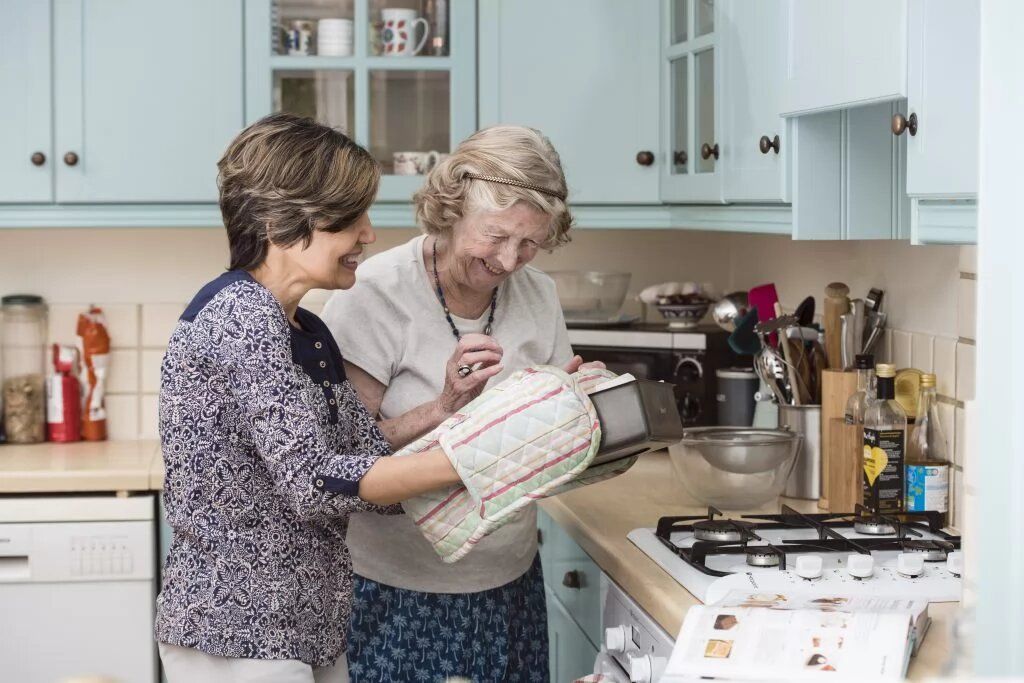
Live-in care means a professional carer lives in your home, providing round-the-clock support. Learn how it works, what it covers and what it costs.
Live-in care means a carer lives in the home of the person they are supporting, providing round-the-clock support day and night. Find out how it works, what it costs, and what to look for when arranging care.
Need Help Arranging Live-In Care?
Speak to our clinically-led team to find the right carer for your loved one. We'll guide you through costs, care options, and next steps.
What does live-in care mean?
Live-in care means having a fully trained carer living with you in your own home. Your live in carer will support you with your specific needs to keep you comfortable and independent at home. Our live-in carers and companions help with:
- Personal Care and Specialist Medical Care
- Dietary and nutritional Needs
- Companionship and Support
- Housekeeping and other daily domestic tasks
Live-in care means a carer is on hand at all times. For people living with dementia, Parkinson’s, or other progressive conditions, this level of consistent, familiar support can make a significant difference to daily life.
There are many types of care, including respite care, overnight care, hourly care, companionship care, postoperative care, palliative care, and disability care, and a live-in carer will often provide several of these in a single arrangement.
What is live-in home care?
Live-in home care is the same as live-in care, and these terms should be considered interchangeable. Sometimes terms such as 24-hour live-in care are also used. The key distinction is that the carer lives in the home rather than visiting for set hours – making it different from hourly or overnight care, where a carer is only present for part of the day or night.
What is live-out care?
Live-out care involves full-time care but without the carer living in the home. Whether live-in or live-out care is more suitable depends on individual preferences and circumstances. For people who need continuous support but value privacy, or whose home is not large enough to accommodate a carer, private home care with visiting support may be worth exploring.
Why choose live-in care?
The quality of care homes available will depend on where a person lives. There might be good options available, but what is often the case is that there will be a waiting list that may be months or even years long. In contrast, a live-in carer can start immediately. At Hometouch, we can find a match based on location, expertise, and personality within 24 hours.
Quality of care matters, as does the environment. In care homes, carers often have to divide their time between multiple residents, which means a person may have to wait for assistance. For a detailed comparison of the two options, our live-in care vs care home guide sets out the key differences.
A live-in carer’s time is focused entirely on the person they are supporting and their needs. The person being cared for can remain in their own home, close to friends and family, and if they have a pet they will not have to part with it. Social activities need not change, and a carer will normally provide transport and accompany the person they support to appointments.
In care homes, staff turnover can lead to inconsistency in care. For people living with dementia, frequent changes in carer can be disorientating and distressing – our article on aggressive behaviour in dementia explains how familiarity and routine help reduce these episodes. A live-in carer provides a consistent, familiar presence day in, day out, meaning a strong relationship can form built on trust.
How much does live-in care cost?
Despite the many benefits, live-in care is often very competitively priced. At Hometouch, live-in care is available from £1,400 per week, although the price can depend on the care package and the experience of the carer. This can be cheaper than many quality care homes, which can cost from £1,000 per week. For a full breakdown of costs and funding options, visit our guide to the cost of live-in care.
How does live-in care work?
Finding a live-in carer can be easier than you might expect. Many agencies are available and can send someone to you at very short notice.
At Hometouch, our carers go through a thorough vetting process – only 5% of applicants are accepted – so families can be confident the person entering their home has been rigorously checked. For people being discharged from hospital who need care arranged quickly, our team can move fast – our article on care after leaving hospital explains what to expect from that process.
For people whose needs include specialist dementia support, sundowning or night-time disturbance, or those who require a higher level of clinical oversight, nursing care at home may be an option worth discussing with our team.
To find out more about arranging live-in care, or to get a sense of whether it is the right fit, visit our live-in care service page.
What does a live-in carer need?
A person living in your loved one’s home will require their own room. This doesn’t have to be a bedroom, any room can be converted to create a private space, but it will need:
- A clean and comfortable bed
- Space to store their belongings
- A real door that can provide privacy
- Access to bathroom facilities – these don’t need to be private to the carer, but access is important
Useful additions include a television and an internet connection. If you are unsure whether your home is suitable, our team can advise during the initial care assessment.
Find out more:
Related Care Advice





Medically reviewed on Sep 16, 2026

Dr Jamie Wilson is hometouch's founder and Chief Executive Officer. Jamie's creation of hometouch was inspired by his work as a dementia psychiatrist in the NHS, and he has written about healthcare issues in The Times and the Evening Standard.