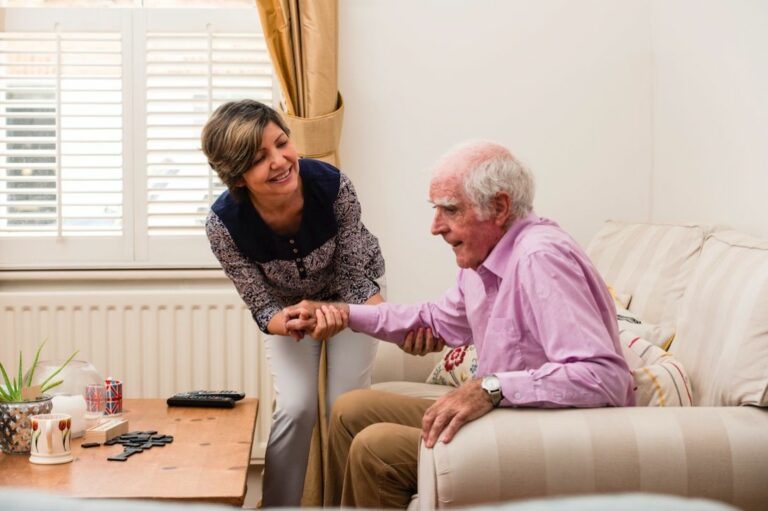
24-hour care at home
When someone you love needs round-the-clock support, staying at home can still be possible. At Hometouch, 24-hour care at home is delivered through our doctor-founded live-in care service.
Our clinical team oversees every custom care plan. That means expert guidance, clear structure, and care that adapts as needs change.
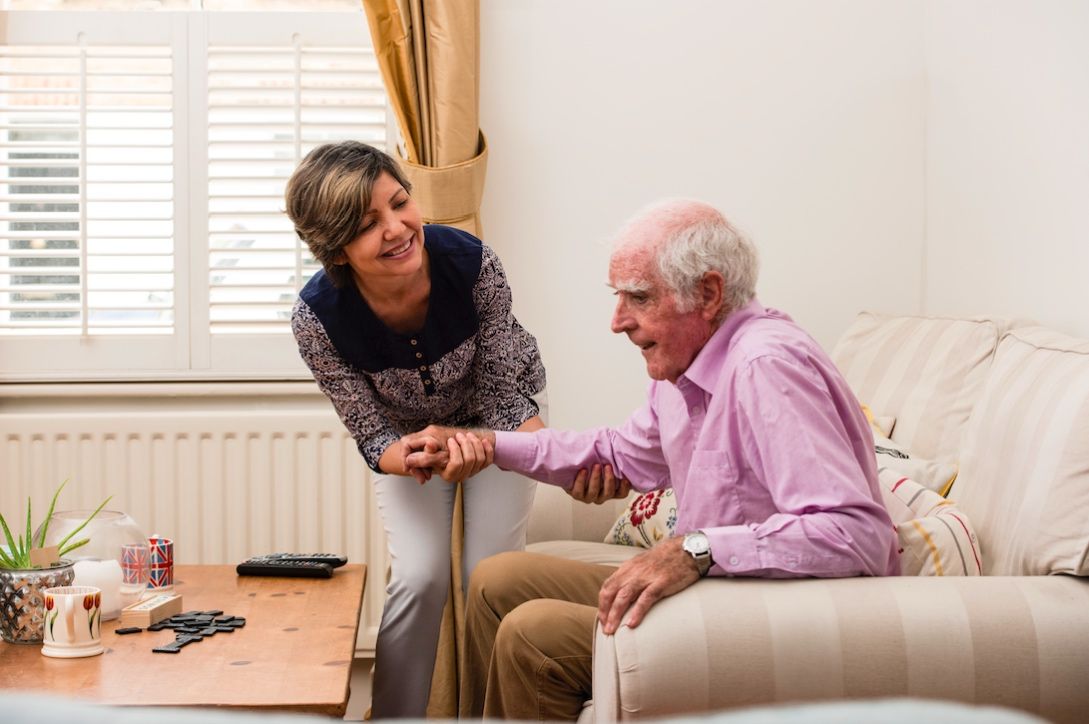
What does 24-hour care at home involve?
24-hour care means a dedicated live-in carer stays in the home, providing support day and night.
This includes:
Personal care such as washing, dressing, and continence support
Meal preparation and nutritional monitoring
Overnight presence for reassurance and safety
Medication support and mobility assistance
Adaptation as needs change
Our carers are entitled to 8 hours of rest overnight. If your family member regularly wakes or requires active night support, we’ll assess this carefully. In some cases, a second carer or waking night arrangement may be recommended.
How is 24-hour care different from standard live-in care?
Many families use the terms interchangeably. In practice, 24-hour care is usually delivered through live-in care. However, the intensity of support can vary.
Live-in care
One carer lives in the home
The carer provides daytime care and overnight presence
The carer has 8 hours of rest overnight
Suitable when night-time support is occasional
Higher-intensity 24-hour care
May involve two carers rotating
May include waking night support
Designed for complex dementia, high falls risk, or frequent overnight needs
During your care assessment, we’ll explain which structure is clinically appropriate. Our role is to help you make an informed decision, not to push you towards unnecessary care.
 CQC-regulated care
Expert live-in care, arranged with one free call.
Speak to a knowledgeable care adviser and we’ll match your loved one with the right carer — often within 24–72 hours.
Prefer to talk now? 0203 870 4220
Free & no-obligation · UK-based advisers · typically reply same day
Is 24-hour care right for your family?
Families often choose 24-hour care at home when:
A loved one can no longer be left alone safely
Night-time wandering or falls are a concern
Dementia or frailty is progressing
Hospital discharge requires close monitoring
A care home feels too disruptive or premature
It may not be suitable if:
Full medical supervision from on-site nurses is required at all times
- Complex medical interventions must be delivered continuously
The home environment cannot safely accommodate care
A short conversation with a care expert can help clarify the right option.
How does daily life work with a live-in carer?
A carer supports daily life while preserving independence. They’ll usually:
Help with morning and evening routines
Prepare meals and support hydration
Prompt or administer medication
Be present for reassurance overnight
Support social outings and appointments
Communicate with family and our clinical team
Care is built around familiar routines. That continuity often helps people living with dementia feel calmer and more secure.
Live-in carers are entitled to 8 hours of rest overnight, with arrangements adjusted if regular night support is needed.
How much does 24-hour care cost?
Live-in care is typically charged as a daily rate, not hourly.
As a guide:
Live-in care often starts from £750-£900 per week
Higher levels of support, including regular waking nights, may increase costs
Complex needs may require two carers on rotation
Costs depend on:
Level of personal care required
Night-time needs
Mobility and equipment requirements
Location within the UK
For many families, live-in 24-hour care is comparable to residential care. In some cases, it can be more cost-effective, particularly for couples who wish to remain together at home.
Our live-in care costs page sets out a full breakdown by care level, including what is included at each point. After understanding your situation, we’ll provide a clear cost outline with no hidden fees or unexpected extras.
Why do families choose Hometouch?
Founded by a dementia doctor, Hometouch combines clinical expertise with compassionate support at home.
Families choose us because:
- We are doctor-founded and clinically guided
- Every carer receives specialist dementia care training
- We focus on finding a carer who clicks
- Each custom care plan is clinically reviewed
- Our team provides ongoing support to your whole family
Frequently asked questions about 24-hour care
In most cases, 24-hour care at home is delivered through live-in care. A carer lives in the property and provides full-day support with overnight presence. They are entitled to rest overnight. If the person needs frequent night-time intervention, we may recommend additional support such as a waking night carer or a two-carer rotation. We assess this during your clinical care assessment to ensure safety and sustainability.
Not usually. A standard live-in carer provides overnight reassurance but is entitled to sleep for up to 8 hours. If the person regularly wakes or requires active support overnight, we’ll assess whether waking night care or a second carer is more appropriate. The aim is to balance safety with the well-being of the carer. If you need a temporary arrangement, live-in respite care may be a solution you choose to explore.
Costs vary depending on care needs and location. Live-in care often starts from £750–£900 per week. In many cases, this is comparable to residential care. For couples, it can be more cost-effective as one live-in carer can support both people. We provide a clear cost explanation once we understand your circumstances.
Yes. Many families choose 24-hour care when dementia progresses, and safety becomes a concern. Our carers receive specialist dementia training, and each care plan is reviewed by our clinical team. Familiar surroundings can help reduce confusion and distress for people living with dementia.
In many cases, we can share recommended carer profiles within 48 hours of assessment. Start dates depend on care complexity and matching availability, but we aim to move quickly while maintaining careful personalised matching. We can also provide respite care, if necessary.
Take the next step
Choosing 24-hour care is a significant decision. You don’t have to make it alone.
Speak to one of our care experts for clear, calm guidance on whether 24-hour care at home is right for your family.
Apply for live-in care jobs
Working with Hometouch gives me the opportunity to really make a difference in someone’s day and improve their quality of life. I really value the team's support and communication, and I feel carers are genuinely valued and appreciated. I’m proud to be part of Hometouch.
Darlene

You may also be interested in
- Live-in dementia care, specialist one-to-one dementia support at home with clinical oversight at every stage.
- Overnight care at home, professional overnight support for families where night-time risk is the primary concern.
- Respite care at home, short-term live-in cover while a family carer takes a planned or emergency break.
Looking for live-in care in your county?
a
- Live-in care in Aberdeen
- Live-in care in Aberdeenshire
- Live-in care in Angus
- Live-in care in Argyll
- Live-in care in Ayrshire
b
- Live-in care in Banffshire
- Live-in care in Bedfordshire
- Live-in care in Berkshire
- Live-in care in Berwickshire
- Live-in care in
- Live-in care in Bristol
- Live-in care in Buckinghamshire
- Live-in care in Buteshire
c
- Live-in care in Caithness
- Live-in care in
- Live-in care in Cambridgeshire
- Live-in care in Cheshire
- Live-in care in Clackmannanshire
- Live-in care in Clwyd
- Live-in care in Cornwall
- Live-in care in Antrim
- Live-in care in Armagh
- Live-in care in Down
- Live-in care in Durham
- Live-in care in Fermanagh
- Live-in care in Tyrone
- Live-in care in Cumbria
d
- Live-in care in Derbyshire
- Live-in care in
- Live-in care in Devon
- Live-in care in Dorset
- Live-in care in Dumfries and Galloway
- Live-in care in Dumfriesshire
- Live-in care in Dunbartonshire
- Live-in care in Dundee
- Live-in care in Dyfed
e
- Live-in care in East Ayrshire
- Live-in care in East Dunbartonshire
- Live-in care in East Lothian
- Live-in care in East Renfrewshire
- Live-in care in East Riding
- Live-in care in East Sussex
- Live-in care in Edinburgh
- Live-in care in Essex
f
g
- Live-in care in Glasgow
- Live-in care in Gloucestershire
- Live-in care in Greater Manchester
- Live-in care in
- Live-in care in Gwent
- Live-in care in Gwynedd
h
- Live-in care in Hampshire
- Live-in care in Herefordshire
- Live-in care in Hertfordshire
- Live-in care in Highland
i
- Live-in care in Inverclyde
- Live-in care in Inverness-shire
- Live-in care in Isle of Man
- Live-in care in Isle of Wight
k
- Live-in care in Kent
- Live-in care in Kincardineshire
- Live-in care in Kinross-shire
- Live-in care in Kirkcudbrightshire
l
- Live-in care in Lanarkshire
- Live-in care in Lancashire
- Live-in care in Leicestershire
- Live-in care in Lincolnshire
- Live-in care in
- Live-in care in London
m
- Live-in care in Merseyside
- Live-in care in Mid Glamorgan
- Live-in care in Midlothian
- Live-in care in Moray
n
- Live-in care in Nairnshire
- Live-in care in Norfolk
- Live-in care in North Ayrshire
- Live-in care in North Lanarkshire
- Live-in care in North Yorkshire
- Live-in care in Northamptonshire
- Live-in care in Northumberland
- Live-in care in Nottinghamshire
o
p
- Live-in care in Peebleshire
- Live-in care in Perth and Kinross
- Live-in care in Perthshire
- Live-in care in
- Live-in care in Powys
r
- Live-in care in Renfrewshire
- Live-in care in Ross and Cromarty
- Live-in care in Roxburghshire
- Live-in care in Rutland
s
- Live-in care in Scottish Borders
- Live-in care in Selkirkshire
- Live-in care in Shetland
- Live-in care in Shropshire
- Live-in care in Somerset
- Live-in care in South Ayrshire
- Live-in care in South Glamorgan
- Live-in care in South Lanarkshire
- Live-in care in South Yorkshire
- Live-in care in Staffordshire
- Live-in care in Stirling
- Live-in care in Stirlingshire
- Live-in care in Suffolk
- Live-in care in Surrey
- Live-in care in Sutherland
t
w