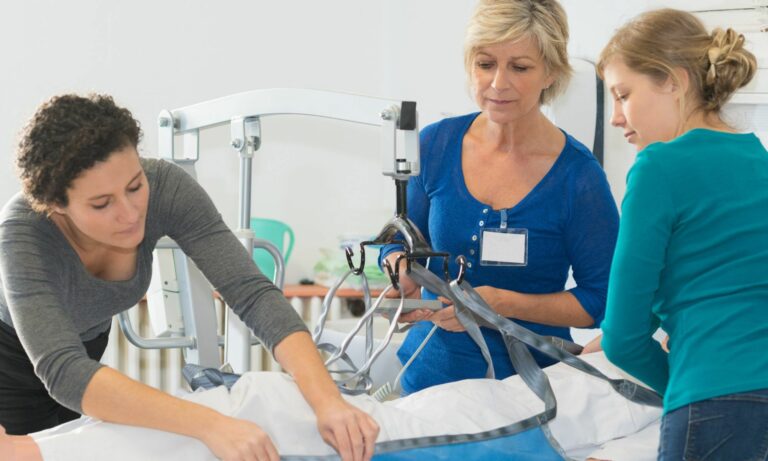
Live-in nursing care at home
When someone you love needs continuous medical support, moving into a nursing home isn’t the only option.
Hometouch provides live-in nursing care at home, delivered by a registered nurse and guided by our nurse-led clinical team. This service is designed for complex or unstable medical needs that require 24-hour professional oversight – safely delivered in familiar surroundings.
Talk to a care adviser. Nurse-led guidance. No pressure.
What is live-in nursing care?
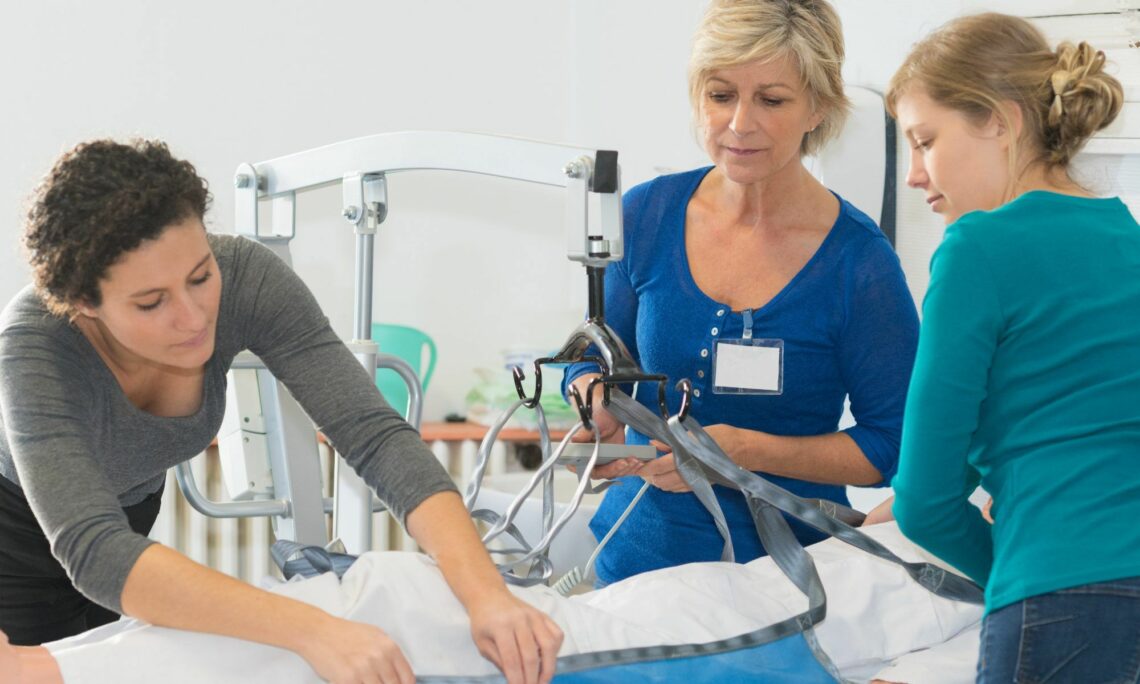
Live-in nursing care means a qualified nurse lives in the home to provide continuous medical and personal care.
Unlike standard live-in care, which focuses on personal assistance, this service includes active medical management. It is suitable when health needs exceed what a non-nursing carer can safely provide.
A live-in nurse can provide:
- Medication administration and clinical monitoring
- PEG or tube feeding
- Tracheostomy and ventilation support
- Catheter and stoma care
- Wound care and dressings
- Post-surgical recovery support
- Symptom monitoring and escalation
- Support with mobility, nutrition, and daily routines
Every placement begins with an expert clinical assessment. We then create a custom care plan tailored to medical requirements and personal preferences. That plan is regularly reviewed by our clinical team to ensure safety, continuity, and adaptation as needs change.
When is live-in nursing care appropriate?
Live-in nursing care is often recommended when someone:
- Needs ongoing medical supervision day and night
- Has complex, unstable, or progressive health needs
- Would otherwise require a nursing home or prolonged hospital stay
- Is being discharged from hospital with high clinical needs
- Wants to remain at home with professional nursing support
It may not be necessary if needs are primarily personal care rather than medical. Our care advisers can help you determine the most appropriate level of support.
Registered nursing care at home vs nursing homes
Families often look for a “registered nurse at home” when they want medical oversight without relocating.
Here’s how live-in nursing care compares to a care home.
| Live-In Nursing Care at Home | Nursing Home Care |
|---|---|
| Delivered in familiar surroundings | Delivered in a shared facility |
| One dedicated registered nurse | Multiple rotating staff |
| Fully personalised daily routines | Structured institutional routines |
| Direct and flexible family involvement | Visiting schedules may apply |
| Greater environmental continuity | Less continuity of surroundings |
Live-in nursing care vs standard live-in care
Standard live-in care provides personal support such as washing, dressing, and companionship.
Live-in nursing care is appropriate when:
Clinical judgement is required
Complex medication must be administered
Advanced equipment is used
The risk of health deterioration is significant
Skilled nursing interventions are necessary
If you’re unsure which level of care is suitable, our clinical team will guide you through the decision.
What does hospital discharging nursing care look like at home?
Many families contact us when a relative is preparing to leave hospital.
Live-in nursing care can provide:
- Safe transition home within 24–48 hours
- Medication management and monitoring
- Wound care following surgery
- Rehabilitation support
- Prevention of avoidable readmission
Early clinical oversight at home often reduces the risk of complications and helps stabilise recovery.
Conditions Hometouch supports
Live-in nursing care is often chosen for people living with:
- Advanced dementia or Alzheimer’s disease
- Parkinson’s disease
- Multiple sclerosis (MS)
- Motor neurone disease (MND)
- Stroke or acquired brain injury
- Spinal injury
- Complex post-surgical recovery
- Advanced frailty or multiple long-term conditions
- Palliative and end-of-life care
Where dementia is present, care is supported by our dementia care specialists and guided by nurse-led oversight.
How is live-in nursing care delivered?
1. Clinical Assessment
A registered nurse conducts a detailed care assessment, reviewing diagnosis, treatment, medication and risk.
2. Custom Care Plan Creation
We design a personalised care plan integrating clinical requirements with daily routines.
3. Nurse Matching
We match you with an experienced nurse suited to your condition and home environment.
4. Ongoing Clinical Oversight
Our nurse-led team provides continued review and support, ensuring care remains safe and responsive.
This structured approach provides care confidence at every stage.
Costs and funding
Live-in nursing care typically costs between £1,500 and £2,000 per week, depending on clinical complexity, required nursing interventions, equipment needs, location, and duration of care.
Costs reflect the involvement of a registered nurse providing continuous clinical oversight. For a full breakdown of live-in care costs by level of need, see our live-in care costs page.
How Does This Compare To A Nursing Home?
Nursing home fees in the UK often range from £1,200 to £1,800+ per week, depending on region and medical needs.
Live-in nursing care may be comparable in cost, while providing:
- One-to-one attention
- Care delivered at home
- Greater family involvement
- Reduced disruption
What are my funding options?
Funding may include:
- NHS Continuing Healthcare (CHC), subject to eligibility
- Private funding
- Insurance
- Mixed funding arrangements
If someone’s needs are primarily health-related, they may qualify for NHS Continuing Healthcare funding. Eligibility is assessed by the NHS through a structured process.
Our care experts can explain funding routes clearly and guide you through CHC assessments.
Why choose Hometouch?
- Access to experienced registered nurses
- Nurse-led clinical governance and oversight
- Care matched to medical needs and personality
- Transparent pricing with ongoing support
- Calm, professional guidance for families
If you’re considering live-in nursing care and want to understand whether it’s right for your situation, our care advisers are here to help.
Frequently asked questions about live-in nursing
No. Live-in nursing care is delivered by a registered nurse. Standard live-in care is provided by a trained carer and focuses primarily on personal support rather than medical management.
Yes. A registered nurse can live in your home to provide 24-hour clinical support where medically appropriate. This allows complex health needs to be managed safely without relocation.
In urgent situations, care can often begin within 24-48 hours, subject to assessment and nurse availability. Hospital discharge cases are prioritised where possible.
Yes. Many families choose live-in nursing care to support palliative or end-of-life care at home. Continuous nursing oversight allows symptom management and dignity in familiar surroundings.
Some individuals qualify for NHS Continuing Healthcare funding if their needs are primarily medical. Eligibility is assessed by the NHS. We can guide you through the process and explain the criteria clearly.
Speak to a care expert
If you’re considering live-in nursing care and want to understand whether it’s right for your situation, we’re here to help.
We’ll explain:
- Whether nursing care is clinically appropriate
- What funding options may apply
- How quickly care can begin
- What the next practical steps look like
Speak to a care adviser. Clear guidance. No pressure. No obligation.
Looking for live-in care in your county?
a
- Live-in care in Aberdeen
- Live-in care in Aberdeenshire
- Live-in care in Angus
- Live-in care in Argyll
- Live-in care in Ayrshire
b
- Live-in care in Banffshire
- Live-in care in Bedfordshire
- Live-in care in Berkshire
- Live-in care in Berwickshire
- Live-in care in
- Live-in care in Bristol
- Live-in care in Buckinghamshire
- Live-in care in Buteshire
c
- Live-in care in Caithness
- Live-in care in
- Live-in care in Cambridgeshire
- Live-in care in Cheshire
- Live-in care in Clackmannanshire
- Live-in care in Clwyd
- Live-in care in Cornwall
- Live-in care in Antrim
- Live-in care in Armagh
- Live-in care in Down
- Live-in care in Durham
- Live-in care in Fermanagh
- Live-in care in Tyrone
- Live-in care in Cumbria
d
- Live-in care in Derbyshire
- Live-in care in
- Live-in care in Devon
- Live-in care in Dorset
- Live-in care in Dumfries and Galloway
- Live-in care in Dumfriesshire
- Live-in care in Dunbartonshire
- Live-in care in Dundee
- Live-in care in Dyfed
e
- Live-in care in East Ayrshire
- Live-in care in East Dunbartonshire
- Live-in care in East Lothian
- Live-in care in East Renfrewshire
- Live-in care in East Riding
- Live-in care in East Sussex
- Live-in care in Edinburgh
- Live-in care in Essex
f
g
- Live-in care in Glasgow
- Live-in care in Gloucestershire
- Live-in care in Greater Manchester
- Live-in care in
- Live-in care in Gwent
- Live-in care in Gwynedd
h
- Live-in care in Hampshire
- Live-in care in Herefordshire
- Live-in care in Hertfordshire
- Live-in care in Highland
i
- Live-in care in Inverclyde
- Live-in care in Inverness-shire
- Live-in care in Isle of Man
- Live-in care in Isle of Wight
k
- Live-in care in Kent
- Live-in care in Kincardineshire
- Live-in care in Kinross-shire
- Live-in care in Kirkcudbrightshire
l
- Live-in care in Lanarkshire
- Live-in care in Lancashire
- Live-in care in Leicestershire
- Live-in care in Lincolnshire
- Live-in care in
- Live-in care in London
m
- Live-in care in Merseyside
- Live-in care in Mid Glamorgan
- Live-in care in Midlothian
- Live-in care in Moray
n
- Live-in care in Nairnshire
- Live-in care in Norfolk
- Live-in care in North Ayrshire
- Live-in care in North Lanarkshire
- Live-in care in North Yorkshire
- Live-in care in Northamptonshire
- Live-in care in Northumberland
- Live-in care in Nottinghamshire
o
p
- Live-in care in Peebleshire
- Live-in care in Perth and Kinross
- Live-in care in Perthshire
- Live-in care in
- Live-in care in Powys
r
- Live-in care in Renfrewshire
- Live-in care in Ross and Cromarty
- Live-in care in Roxburghshire
- Live-in care in Rutland
s
- Live-in care in Scottish Borders
- Live-in care in Selkirkshire
- Live-in care in Shetland
- Live-in care in Shropshire
- Live-in care in Somerset
- Live-in care in South Ayrshire
- Live-in care in South Glamorgan
- Live-in care in South Lanarkshire
- Live-in care in South Yorkshire
- Live-in care in Staffordshire
- Live-in care in Stirling
- Live-in care in Stirlingshire
- Live-in care in Suffolk
- Live-in care in Surrey
- Live-in care in Sutherland
t
w