Companionship care at home: What it is and who it’s right for
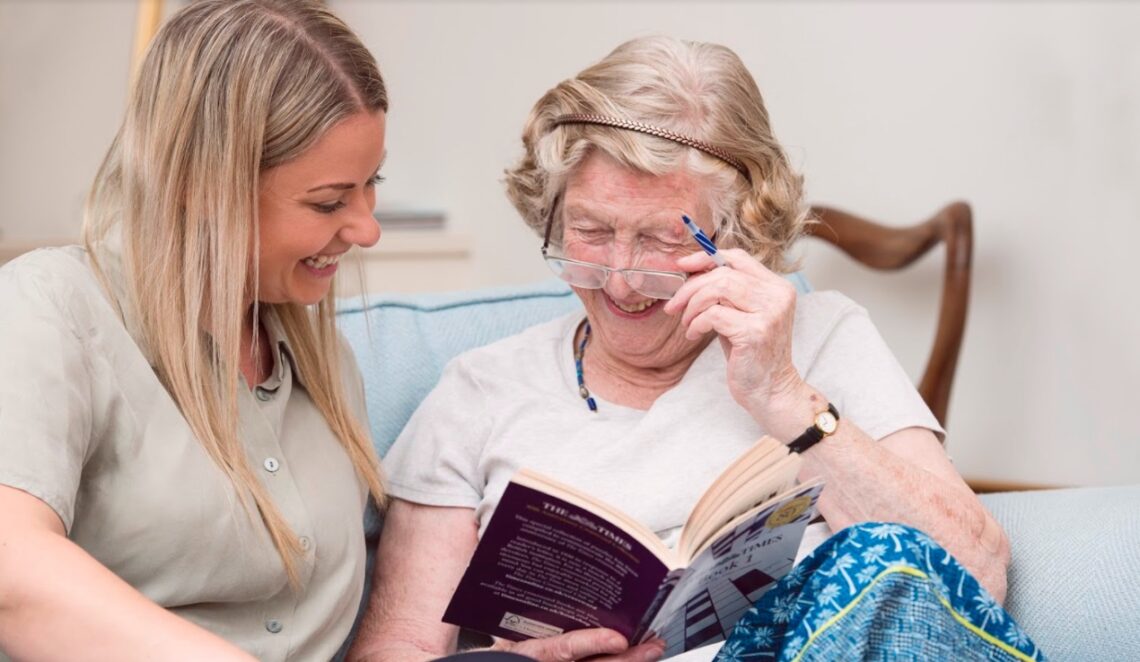
Companionship care provides regular one-to-one support at home for older people who feel isolated. Find out what it includes and how to arrange it.
Companionship care offers practical, one-to-one support for older adults living at home who feel socially isolated. It’s designed for those who are largely independent but would benefit from regular company, routine, and gentle encouragement to stay engaged with daily life.
For many families, companionship care is the first step into home care – offering reassurance without introducing medical or personal care before it’s needed.
Need Help Arranging Live-In Care?
Speak to our clinically-led team to find the right carer for your loved one. We'll guide you through costs, care options, and next steps.
What is companionship care?
Companionship care is non-medical support delivered in someone’s own home.
A companion carer spends time with an older person, offering conversation, shared activities, and help with everyday tasks that make life feel more manageable.
This may include:
- Regular social interaction and conversation
- Support with light household tasks
- Accompaniment on walks, errands, or appointments
- Encouragement to stay active and connected
- Reassurance for families who can’t be there every day
The focus is not on “doing things to” someone, but being there with them.
Who is companionship care suitable for?
Companionship care is often a good fit if your family member:
- Lives alone and feels isolated
- Has experienced bereavement or a major life change
- Has reduced confidence going out independently
- Is becoming socially withdrawn
- Is well physically, but needs regular human contact
- Wants to remain at home with light support
It’s also commonly used when adult children live at a distance and want reassurance that someone trusted is checking in regularly.
How companionship care helps with loneliness
Loneliness isn’t just emotional; it has measurable effects on physical and mental health.
Research from Social Care Institute for Excellence highlights that social isolation is linked to depression, raised blood pressure, and declining well-being.
Companionship care helps by:
- Providing consistent, familiar social contact
- Preventing long periods alone at home
- Supporting routines that give structure to the day
- Encouraging gentle activity and engagement
- Reducing the risk of withdrawal over time
For many people, early companionship support prevents loneliness from becoming entrenched.
How companionship care is delivered
Companionship care is flexible and tailored.
Support can range from:
- A few hours a week
- Several visits across the week
- Daily companionship
- Live-in companionship, where someone is present full-time
The right approach depends on lifestyle, confidence, and family circumstances.
Care is delivered in familiar surroundings, allowing older people to maintain independence while receiving reassurance and support.
Companionship care vs other care options
Companionship care is different from:
Personal care
Includes help with washing, dressing, or medication.
Residential care
Requires leaving home and familiar routines.
Companionship sits earlier in the care journey. It’s often chosen by families who want to support wellbeing without medicalising daily life.
When companionship care may not be enough
If someone begins to need:
- Personal care
- Medication supervision
- Overnight safety support
- Dementia-specific care
Then a more comprehensive home care arrangement may be appropriate.
Many families start with companionship care and adapt the level of support as needs change.
Considering companionship care for a loved one?
Choosing care is rarely about urgency alone. It’s about confidence.
Companionship care offers:
- Reassurance for families
- Meaningful human connection for older people
- Support that respects dignity and independence
- A gentle introduction to care at home
If you’re unsure whether companionship care is right, speaking with a care expert can help clarify next steps – without pressure.
“Social isolation and loneliness have a detrimental effect on health and wellbeing. Studies show that being lonely or isolated can have an impact on blood pressure, and is closely linked to depression.”
Next step
Talk to one of our care experts about companionship care at home. We’ll help you understand whether it’s the right level of support now, and how it could adapt in the future.
Related Care Advice




Medically reviewed on Apr 20, 2026

Dr Jamie Wilson is hometouch's founder and Chief Executive Officer. Jamie's creation of hometouch was inspired by his work as a dementia psychiatrist in the NHS, and he has written about healthcare issues in The Times and the Evening Standard.