Articles related to
People With Dementia
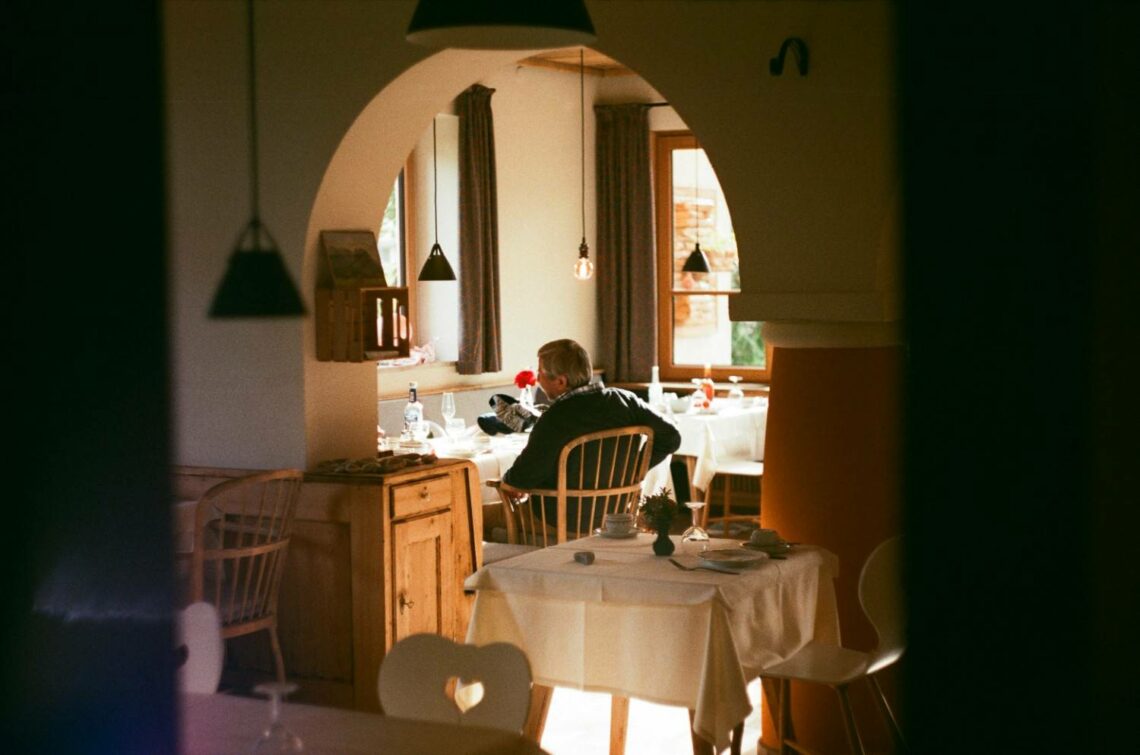
Rapidly progressive dementia: What families need to know
Rapidly progressive dementia (RPD) is a rare form of dementia that advances within weeks or months rather than years, causing a fast decline in memory, behaviour, and physical ability. Most forms of dementia develop over years. RPD moves faster, and…
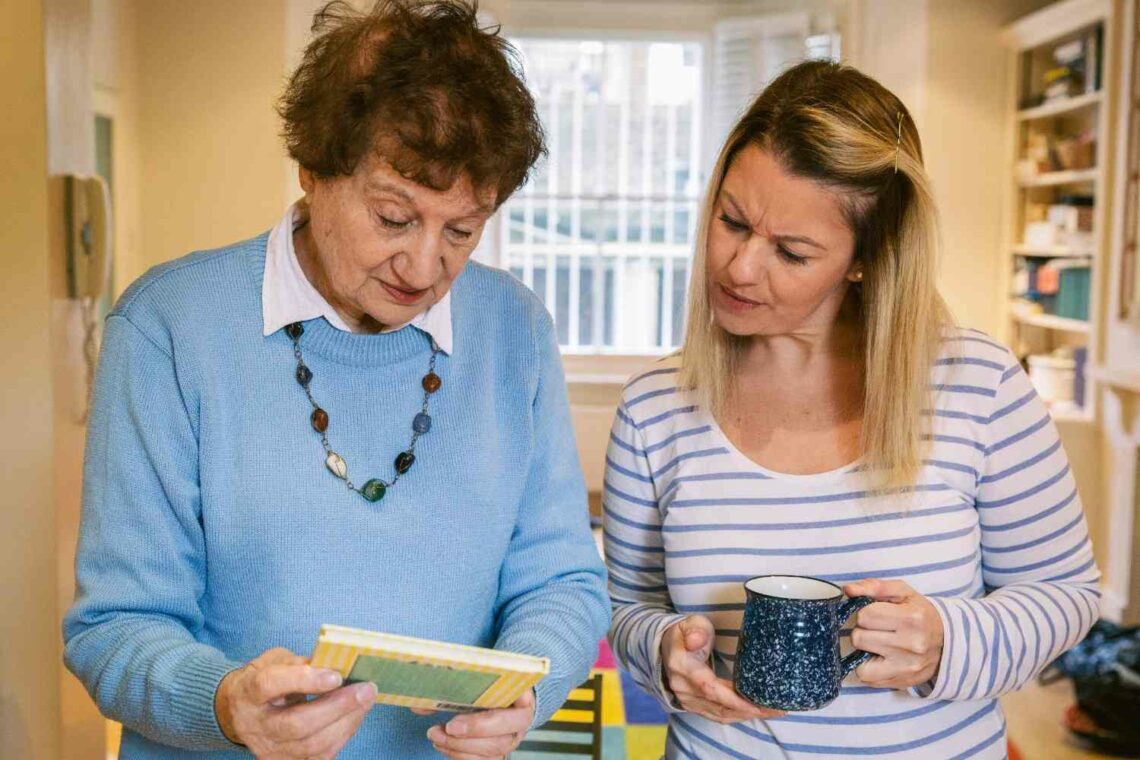
How to create a dementia-friendly home environment
Creating a dementia-friendly home environment is one of the most practical things a family can do to support someone living with dementia. The right changes reduce confusion, lower the risk of falls, and help the person feel calmer and more…

Living with late-stage dementia: A practical guide for families
Living with late-stage dementia is one of the most demanding experiences a family can face. If someone you care about has reached this stage, you may be noticing significant changes in how they communicate, move around, eat, and behave. You…
Would you like to know more about Hometouch's high quality live-in care service?
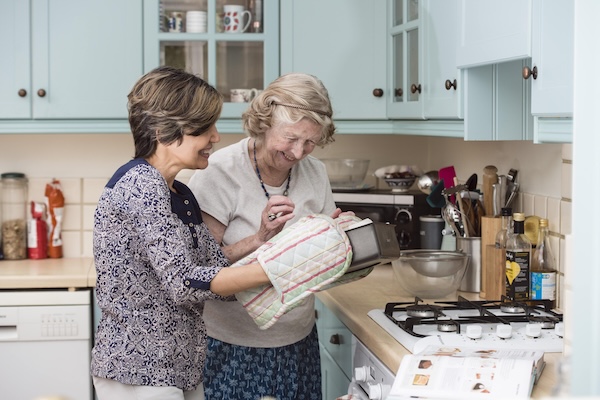
How is dementia care coordinated alongside other health conditions?
February includes both World Cancer Day (4 February) and Heart Month. Together, they highlight an important reality for many families: people living with dementia often manage other health conditions at the same time. Heart disease, cancer, diabetes, and stroke are…
 CQC-regulated care
 Founded by an NHS dementia doctor
Expert live-in care, arranged with one free call.
Speak to a knowledgeable care adviser and we’ll match your loved one with the right carer — often within 24–72 hours.
1,000+ families cared for
50,000 care hours / month
★★★★★ Excellent · Trustpilot
Prefer to talk now? 0203 870 4220
Free & no-obligation · UK-based advisers · typically reply same day

Holiday routines and dementia: Why consistency matters during the festive season
The festive season brings joy and togetherness for many families. But for people living with dementia, Christmas can also bring confusion, distress, and loneliness. Disrupted routines trigger anxiety and agitation. Understanding how to support someone with dementia during the holidays…
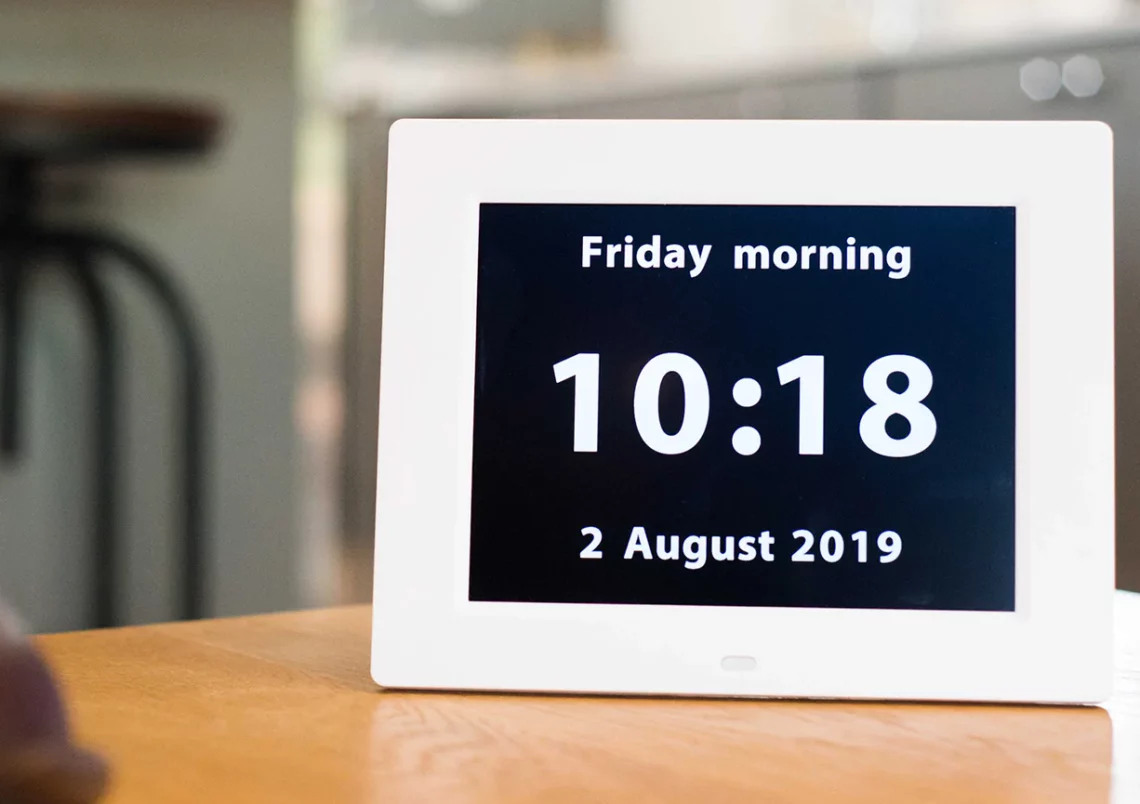
The best clocks for people living with dementia
Losing track of time is one of the early symptoms of dementia. Whether it’s a missed doctor’s appointment or a frantic phone call about whether they’ve had lunch, losing track of time can be a distressing experience for your loved…
Activity Ideas for People Living With Dementia
Dementia is a combination of symptoms a person can experience because of the damaged nerve cells in the brain. Without nerve cells functioning normally, the information is not transmitted, and without it, the brain cannot carry out certain tasks. The most common conditions are Alzheimer’s disease and vascular dementia, among other 200 conditions. CQC-regulated care Founded by an NHS dementia doctor Expert live-in care, arranged with one free call. Speak to a knowledgeable care adviser and we’ll match your loved one with the right carer — often within 24–72 hours. 1,000+ families cared for 50,000 care hours / month ★★★★★ Excellent · Trustpilot Book call → Find a carer Prefer to talk now? 0203 870 4220 Free & no-obligation · UK-based advisers · typically reply same day Regardless of which type of dementia a person has, the symptoms vary but most commonly include memory problems, behaviour changes, difficulties with concentration…
Apply for live-in care jobs
Hometouch has been one of the best companies I have worked for in the care sector! I have always been told I’m appreciated and been made to feel like it too. I’m so happy to be a part of the Hometouch team
Shaheen

£750 - £900 per week. Double bank holiday pay
You choose your own clients
Clinical support
Free training, webinars and supervision