Articles related to
Managing Care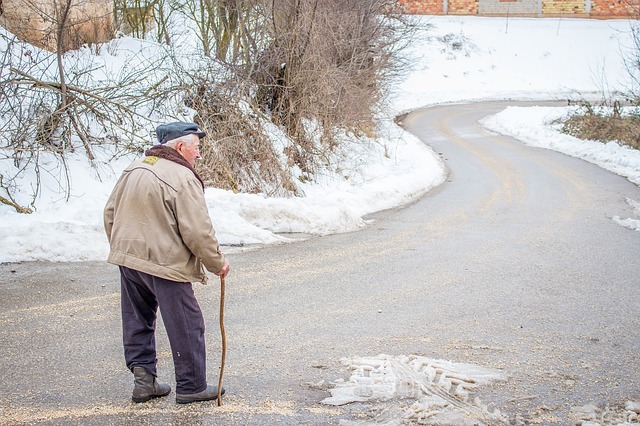
Tips for keeping older people safe in winter
Crisp winter days can be beautiful, but the lower temperatures can be bad for your health. Figures show that winter weather can increase the risk of deaths from cold-related illnesses – and the elderly are particularly vulnerable. Higher numbers of…

Can you drive with dementia?
Driving is a complex skill that requires concentration, coordination, patience and an ability to remember routes. The brain damage of dementia will increasingly affect your capacity to drive and to safely cope with the tests and trials on the road.…

Benefits of holidays for elderly people with disabilities
A holiday can be a great way to rest, recharge the batteries and have fun. Age and infirmity do not have to be a barrier to having a holiday, but it can take a little planning and preparation. As spring…
Would you like to know more about Hometouch's high quality live-in care service?

Loneliness and depression in older people
Getting older can be difficult and lonely. The death of friends and loved ones can limit your social circle. In fact, nearly half of all people over 75 live alone. Disability, dementia or disease can make it a challenge to…
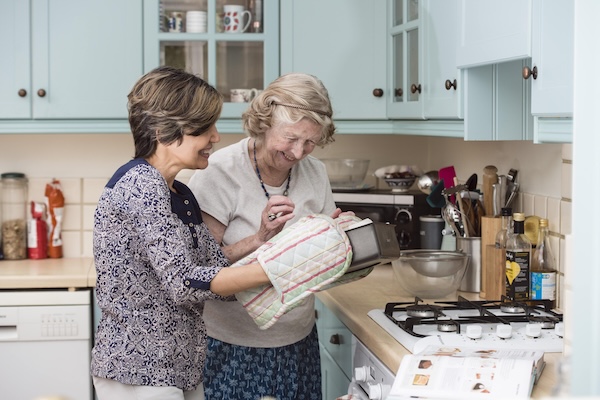 CQC-regulated care
 Founded by an NHS dementia doctor
Expert live-in care, arranged with one free call.
Speak to a knowledgeable care adviser and we’ll match your loved one with the right carer — often within 24–72 hours.
1,000+ families cared for
50,000 care hours / month
★★★★★ Excellent · Trustpilot
Prefer to talk now? 0203 870 4220
Free & no-obligation · UK-based advisers · typically reply same day

Best food for elderly people with no appetite
Food can be a source of joy as well as providing the fuel our organs and tissues need to survive. As we get older, disease, dementia and depression can suppress the appetite, making it a challenge to finish meals and…

Elderly Diabetes Care
When a loved one has diabetes, it’s natural to worry that they’re getting the care they need. If arthritis or Alzheimer’s is making controlling their diabetes difficult, a carer can provide a helping hand. Elderly diabetes care Diabetes is a…
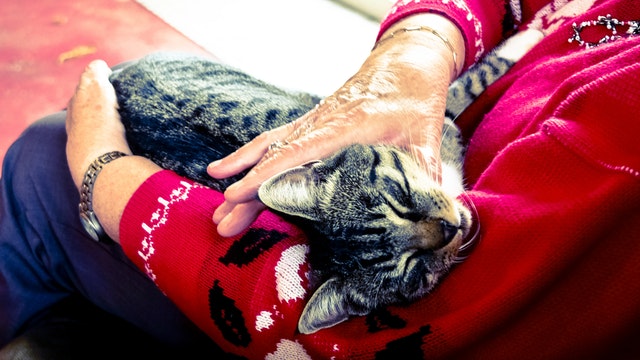
What Can I Get My Parents For Christmas?
The best presents to get elderly parents for Christmas can range from time spent together to technology that will make their life better, all the way through to music playlists… What to get your elderly parents for Christmas Christmas is…

Flu Jab for Carers
Why the flu jab for carers is important, how it works, what the side effects are, and what you can do for yourself and your loved one if you get the flu. Why there is a flu jab for carers…

Gadgets to Help Your Elderly Loved One Outside
There are lots of gadgets to help your elderly loved one outside, from walking stick ice picks, to outdoor stair lifts, we look at 8 must-haves for elderly independence. Getting out and about Home care isn’t about keeping your loved…
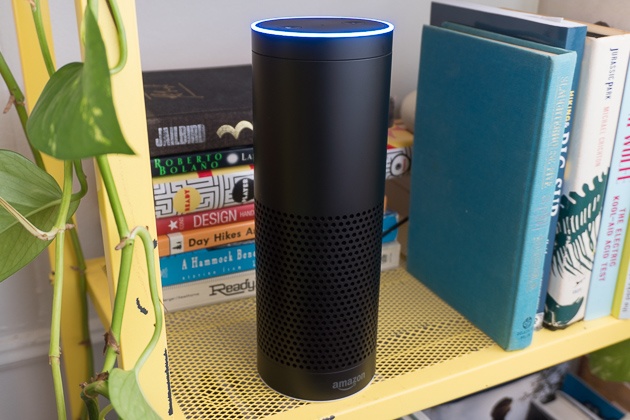
Home Safety Without a Carer
Ensuring home safety can be difficult without a carer, but there are measures you can put in place while you decide on the right home care solution for you. Home safety Nothing is quite like a person being on hand…
Apply for live-in care jobs
Working with Hometouch gives me the opportunity to really make a difference in someone’s day and improve their quality of life. I really value the team's support and communication, and I feel carers are genuinely valued and appreciated. I’m proud to be part of Hometouch.
Darlene

£840 - £950 per week. Double bank holiday pay
You choose your own clients
Clinical support
Free training, webinars and supervision