Articles related to
Insights
NHS Continuing Healthcare for dementia: A step-by-step guide
Many families supporting someone living with dementia don’t realise the NHS may fund their care in full. NHS Continuing Healthcare (CHC) is a non-means-tested funding package that can cover the entire cost of care (including live-in care at home) for…

Lewy body dementia care at home: a guide for families
Lewy body dementia is one of the most common types of dementia, according to the NHS. It is caused by abnormal protein deposits forming inside brain cells. It affects thinking, movement, sleep, and behaviour, and its symptoms can fluctuate dramatically…
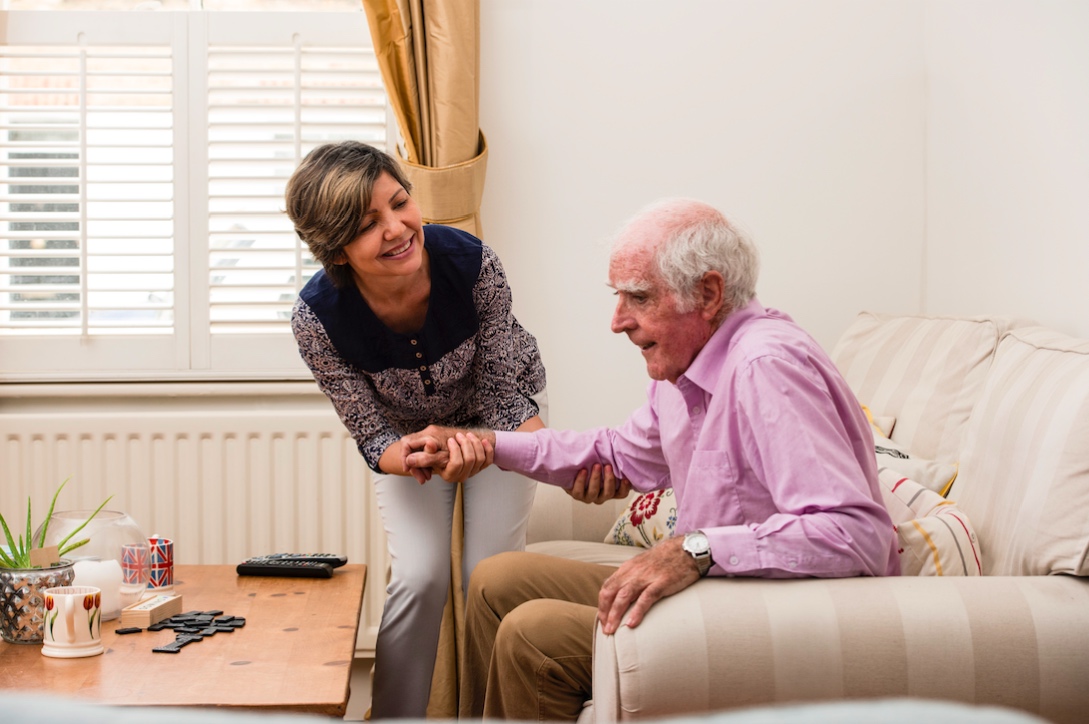
The effects of Alzheimer’s on the body
The effects of Alzheimer’s on the body include changes to movement, balance, digestion, continence, and swallowing, not just memory. These physical changes can appear at any stage of the condition, sometimes before memory loss becomes obvious, and tend to become…
Would you like to know more about Hometouch's high quality live-in care service?

How much is overnight care for the elderly?
Overnight care for the elderly typically costs between £100 and £260 a night, depending on whether a carer sleeps or stays awake through the shift. It covers professional support during nighttime hours, typically between 8 pm and 8 am, including…
 CQC-regulated care
 Founded by an NHS dementia doctor
Expert live-in care, arranged with one free call.
Speak to a knowledgeable care adviser and we’ll match your loved one with the right carer — often within 24–72 hours.
1,000+ families cared for
50,000 care hours / month
★★★★★ Excellent · Trustpilot
Prefer to talk now? 0203 870 4220
Free & no-obligation · UK-based advisers · typically reply same day

How does a person die from dementia?
A person with dementia doesn’t die from memory loss itself, but from the complications that the disease causes as it advances. Most commonly, pneumonia, infection, or organ failure. Dementia gradually damages the brain’s control over the body’s vital functions, so…

Rapidly progressive dementia: What families need to know
Rapidly progressive dementia (RPD) is a rare form of dementia that advances within weeks or months rather than years, causing a fast decline in memory, behaviour, and physical ability. Most forms of dementia develop over years. RPD moves faster, and…

Frontotemporal dementia care at home: A guide for families
Frontotemporal dementia (FTD) is a form of dementia caused by progressive damage to the frontal and temporal lobes of the brain. Unlike Alzheimer’s disease, FTD primarily affects personality, behaviour, and language rather than memory, particularly in its early stages. It’s…

Living with late-stage dementia: A practical guide for families
Living with late-stage dementia is one of the most demanding experiences a family can face. If someone you care about has reached this stage, you may be noticing significant changes in how they communicate, move around, eat, and behave. You…
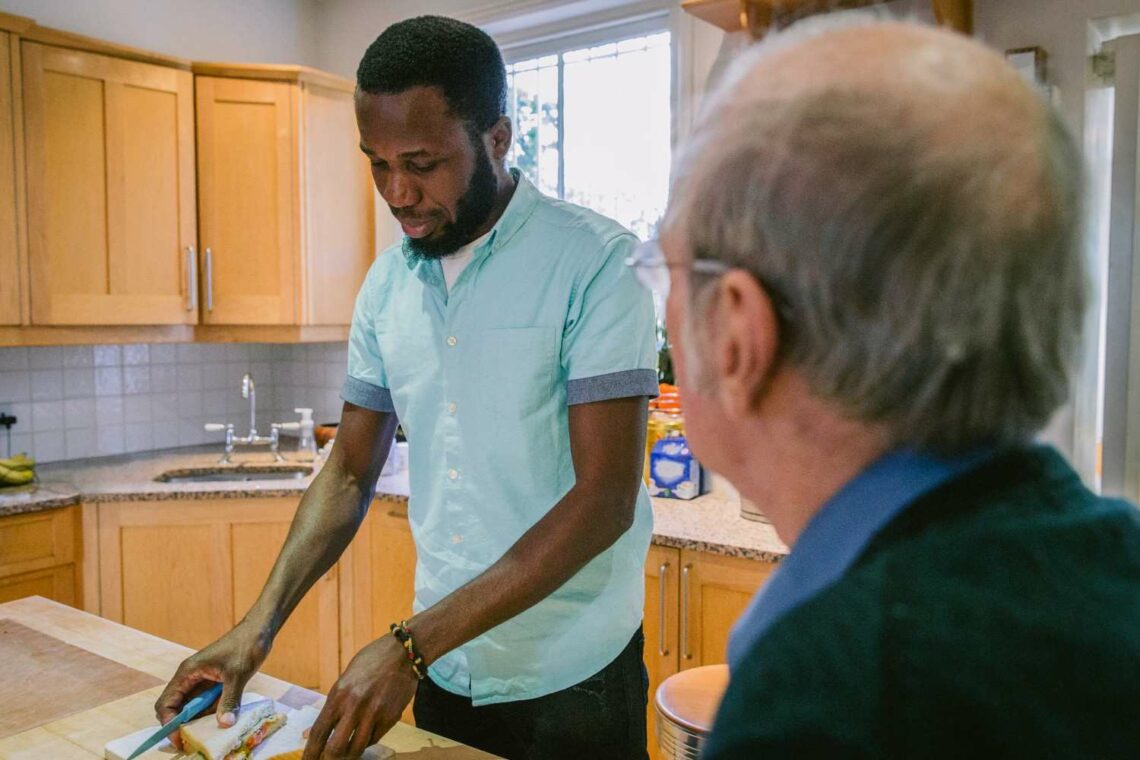
Live-in care after a stroke: Supporting recovery at home
When someone comes home from hospital after a stroke, the adjustment can be significant for them and for the whole family. There may be physical changes to manage, communication difficulties to navigate, and a great deal of uncertainty about what…

The seven stages of Alzheimer’s disease: What families need to know
When someone you care about is diagnosed with Alzheimer’s disease, one of the first questions families ask is: what happens next? Alzheimer’s is a progressive condition – but understanding how it typically develops can help you plan ahead, have the…
Apply for live-in care jobs
Working with Hometouch gives me the opportunity to really make a difference in someone’s day and improve their quality of life. I really value the team's support and communication, and I feel carers are genuinely valued and appreciated. I’m proud to be part of Hometouch.
Darlene

£840 - £950 per week. Double bank holiday pay
You choose your own clients
Clinical support
Free training, webinars and supervision