Articles
Here you can read inspiring interviews and interesting articles, access useful tools, and download our latest guides.

Live-in care for veterans: funding and support options 
Arranging care for a veteran is not the same as arranging care for anyone else. The funding landscape is different, the health needs are often more complex, and the emotional weight of the decision carries its own particular difficulty. If…

Legal planning for dementia: LPAs, Court of Protection, and care fees
When a family member receives a dementia diagnosis, legal planning is often the last thing on anyone’s mind. The focus, understandably, is on the person and what the diagnosis means for daily life. But the decisions made in the weeks…

Caring for a parent with dementia while working full-time
Caring for a parent with dementia while working full-time is one of the most demanding positions a family can find themselves in. You are managing a job, a home, and the needs of someone whose condition is progressive and unpredictable.…
10 early signs it’s time for professional dementia care 
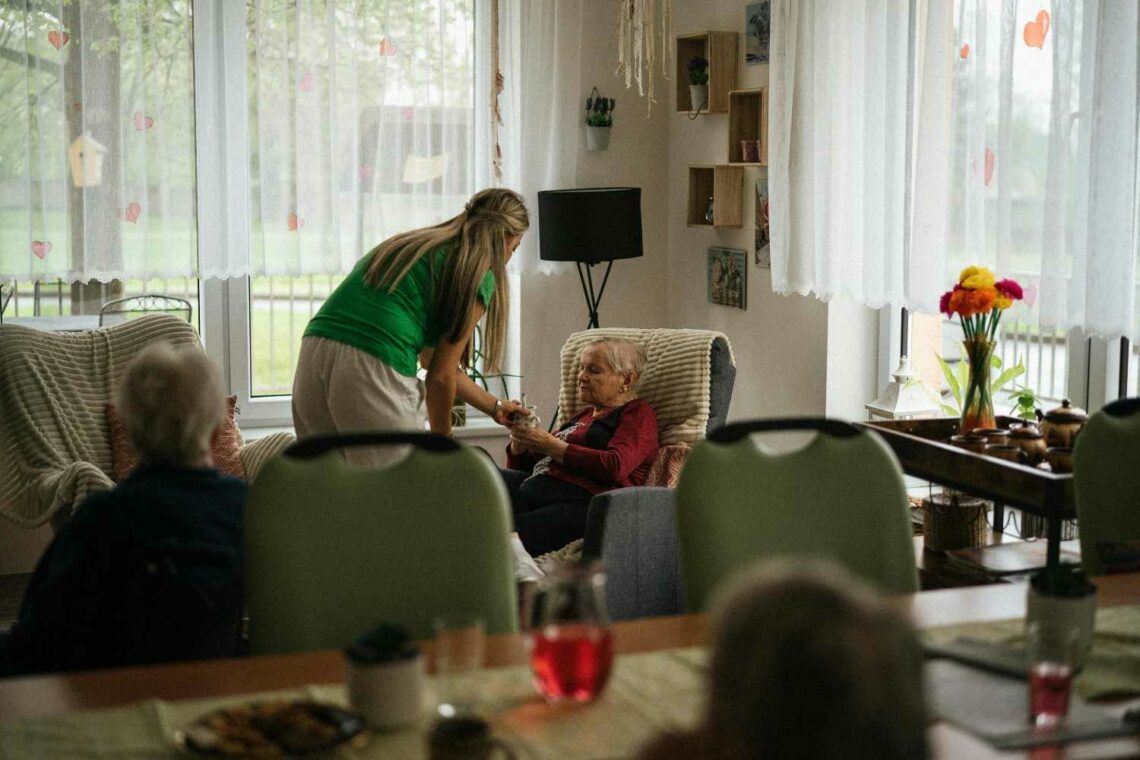
Recognising when professional dementia care is needed is one of the most difficult decisions a family faces. If someone close to you is living with dementia, you may have noticed changes that concern you: moments that feel like more than…
 CQC-regulated care
Expert live-in care, arranged with one free call.
Speak to a knowledgeable care adviser and we’ll match your loved one with the right carer — often within 24–72 hours.
Prefer to talk now? 0203 870 4220
Free & no-obligation · UK-based advisers · typically reply same day

Signs your elderly parent needs 24-hour care 
Noticing that your parent is struggling is rarely a single moment of clarity. It tends to be a series of small things: a missed meal, an unexplained bruise, a phone call where they seemed confused. Families researching 24-hour care for…

How to create a dementia-friendly home environment
Creating a dementia-friendly home environment is one of the most practical things a family can do to support someone living with dementia. The right changes reduce confusion, lower the risk of falls, and help the person feel calmer and more…

Living with late-stage dementia: A practical guide for families
Living with late-stage dementia is one of the most demanding experiences a family can face. If someone you care about has reached this stage, you may be noticing significant changes in how they communicate, move around, eat, and behave. You…

Live-in care for couples: staying together at home
When one partner needs more support, the fear of separation is often the first thing families describe. The thought of one person moving into a care home while the other stays behind is genuinely distressing, and it shapes every conversation…

Young onset dementia care: your options before 65
A diagnosis of young-onset dementia rarely arrives at a convenient moment. You may be working, supporting children, managing a mortgage, or looking after ageing parents of your own. Dementia is widely understood as something that happens in old age, and…

Downsizing vs live-in care: helping your parent make the right decision
When a parent starts to need more support, the conversation often turns to their home. Should they stay where they are? Would somewhere smaller be easier to manage? Could a move closer to family make a difference? Downsizing vs live-in…