Holiday routines and dementia: Why consistency matters during the festive season

Christmas disruption causes confusion for people living with dementia. Why routine and social connection matter during the holidays.
The festive season brings joy and togetherness for many families. But for people living with dementia, Christmas can also bring confusion, distress, and loneliness. Disrupted routines trigger anxiety and agitation.
Understanding how to support someone with dementia during the holidays makes all the difference. With planning and empathy, Christmas can remain a meaningful and comforting time.
Need Help Arranging Live-In Care?
Speak to our clinically-led team to find the right carer for your loved one. We'll guide you through costs, care options, and next steps.
Key insights
- Routine provides the anchor for someone living with dementia – when familiar patterns disappear, so does their sense of safety and comfort.
- Environmental changes trigger the same stress response in people with dementia as a physical threat, causing cortisol spikes and genuine distress.
- Loneliness accelerates cognitive decline by up to 40% in people living with dementia, making social connection clinically important, not just emotionally beneficial.
- Meaningful social interaction for just 10 minutes daily reduces agitation and improves sleep patterns – quality of connection matters more than duration.
Why routine matters for people living with dementia
Dementia affects memory, perception, and the ability to process change. Many people with dementia find comfort in predictability – knowing when they’ll eat, who they’ll see, and what to expect each day. At Christmas, irregular meals, visitors, and travel replace normal routines. This predictability disappears.
Without structure, individuals may feel disoriented. They may struggle to recognise relatives they haven’t seen in months. Decorations that alter familiar spaces cause distress. Even small changes can be overwhelming.
“Routine provides the anchor for someone living with dementia. When it’s gone, so is their sense of safety”
Dimple Chandarana, Head of Clinical Governance at Hometouch
Common Christmas disruptions
Unfamiliar guests or locations heighten anxiety. Large family gatherings, travel, or visiting unfamiliar homes all disrupt the familiar environment that provides comfort and security.
Changes in sleep and meal times cause fatigue, irritability, and sundowning. When usual routines shift, the body’s internal clock struggles to adjust.
Sensory overload from loud music, flashing lights, and crowded rooms overwhelms someone with dementia. The festive atmosphere that brings joy to others may cause distress.
Cancelled traditions lead to feelings of loss. The absence of expected events or rituals can be particularly upsetting for someone whose memory is already fragmented.
Understanding these triggers allows families to plan Christmas celebrations more sensitively.
How to maintain consistency over the holidays
Here are our top tips on maintaining consistency over the festive period.
Stick to familiar routines
Maintain usual wake-up, meal, and bedtime schedules. Keep meals simple and familiar rather than introducing elaborate festive dishes.
Preserve meaningful traditions
Revisit favourite activities like decorating a small tree together, watching a classic Christmas film, or listening to carols. These familiar rituals provide comfort and grounding.
Introduce guests gradually
Prepare your loved one in advance with photos or video calls if relatives are visiting. Limit large group interactions and allow time for one-on-one connections.
Create a calm environment
Avoid overstimulation. Choose soft lighting, calming music, and ensure quiet spaces are available for breaks when needed.
Plan simple outings
A short walk to see local Christmas lights or a quiet visit to a familiar place provides grounding and joy. These small moments often create conversation and connection for days afterwards.
The clinical importance of social connection
Social engagement isn’t just comforting – it’s clinically important.
Research shows that isolation increases the risk of cognitive decline and depression in people living with dementia.
Last Christmas, one of our carers arranged a trip so a client could see their local Christmas lights. It brought back a cherished routine and sparked joy for days. These small moments of connection matter.
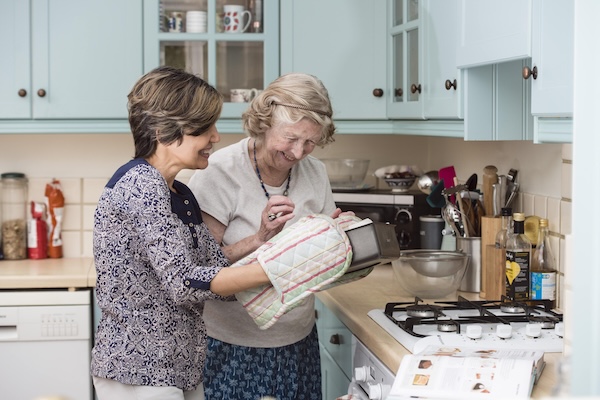
Regular but brief interactions through phone calls, one-on-one visits, or shared tasks like baking reduce loneliness. Looking at old photos together creates a meaningful connection. Even passive activities like sitting together and listening to music can reduce feelings of loneliness.
How to manage your well-being as a family carer during Christmas
Caring for someone with dementia is challenging throughout the year. Over the holidays, that emotional and physical burden increases.
- Share caregiving duties with trusted family members. You don’t need to manage everything alone.
- Planning ahead prevents last-minute decisions that create stress for both you and your loved one.
- Take breaks, even brief ones. Short moments of self-care protect your well-being and help you provide better support.
Hometouch carers can provide festive respite, support social engagement, and maintain routines through the holidays.
“Christmas magnifies the pressures family carers face every day,” explains Dimple. “You’re managing increased care needs while coordinating family visits and maintaining festive routines. Our clinical team arranges respite care that gives families the break they need whilst ensuring their loved one receives specialist attention.”
When should I look for a professional carer?
If your loved one shows increased confusion, agitation, or distress during the holidays, professional support provides stability. A trained dementia carer maintains routine, provides a familiar presence, reduces agitation through calming activities, and facilitates safe social outings.
At Hometouch, our clinical team creates custom care plans that adapt to festive schedules while preserving the stability someone with dementia needs.
Frequently Asked Questions
How does routine help someone with dementia?
Routine reduces anxiety, maintains cognitive function, and supports sleep by creating predictability. Consistent daily structure provides the framework someone with dementia needs to navigate their day with less confusion.
Why do people with dementia struggle more at Christmas?
Disruptions in routine, overstimulation, and environmental changes cause confusion. Symptoms like agitation or sundowning often worsen when familiar patterns are replaced with festive variations.
What are the best Christmas activities for someone with dementia?
Familiar, low-stimulation activities work best. Decorating together, listening to music, watching a favourite film, or baking provides enjoyment without overwhelming them.
How can I help my loved one stay socially connected during the holidays?
Encourage short visits, phone or video calls, or shared activities that don’t rely heavily on memory. Even a brief connection reduces isolation and supports well-being.
Can Hometouch carers help over Christmas?
Yes. Our dementia-trained carers support festive activities, reduce isolation, and maintain stable routines throughout the holidays. Clinical oversight ensures care adapts to both festive needs and ongoing health requirements.
If you’re concerned about supporting someone with dementia this Christmas, Hometouch can help. Contact us to explore care options that bring connection, calm, and clinical confidence to the festive season.
Related Care Advice





Dimple leads clinical governance at Hometouch, ensuring every aspect of our care meets the highest standards. With extensive healthcare experience and a proven track record of supporting organisations to achieve "outstanding" CQC ratings, she develops the clinical frameworks that underpin our doctor-founded approach to dementia care.