Dr Jamie Wilson on ‘24-hour care set to double’
About this article
hometouch founder (and former NHS dementia specialist) Dr Jamie Wilson reacts to the ever-increasing demand for elderly care.
Need Help Arranging Live-In Care?
Speak to our clinically-led team to find the right carer for your loved one. We'll guide you through costs, care options, and next steps.
The news
Many will have seen the news today from the Lancet Public Health journal, that the number of people aged 85 and over needing 24-hour care is set to double. It also found the that the most “high dependent” group – those needing round the clock care – will double.People in this most ‘high dependent’ group are very disabled, need full time care and can not be left alone. The study predicted that this group would increase from 220k to 440k.If you believe these numbers, this will mean a doubling in the size of the number of care homes or a massive expansion in live-in care, a service Hometouch provides nationally.The impact
Society will not be able to manage this increase – even if individuals could afford the financial burden, there are not enough carers and not enough care homes.This paints a frightening picture, and although few will be ignorant of the pressing need to address our current and future social care needs, the projection should come as a stark warning to all.Specifically, this should be a clarion call for addressing the brain health of baby boomers and retirees.Today, 60% of people receiving home-care services and 70% of people living in care homes are living with dementia.Prevention
However, there’s ample evidence that more can be done to prevent this type of care being needed at all. Research published in the Lancet suggests that 40% of dementia cases could be prevented through lifestyle interventions and further research released just last week added to the body of evidence which shows that healthy habits can in fact delay the progress of dementia by up to 70%. If we’re able to stop dementia in its tracks, we can radically reduce the need for care. We need to encourage people to take more control over their own health, and crucially, more responsibility for their own future brain health.Related Care Advice





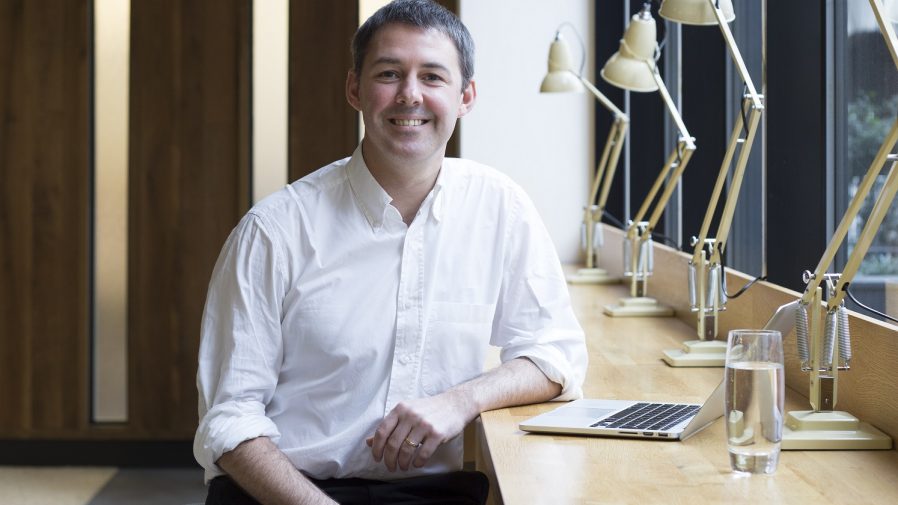
Dr Jamie WilsonFounder and Chief Executive Officer at Hometouch
Dr Jamie Wilson is hometouch’s founder and Chief Executive Officer. Jamie’s creation of hometouch was inspired by his work as a dementia psychiatrist in the NHS, and he has written about healthcare issues in The Times and the Evening Standard. Jamie has a MBBS from the University of Leeds and has spent a decade in the NHS, working as a Psychiatric Registrar and Memory Specialist at Imperial College Hospital.