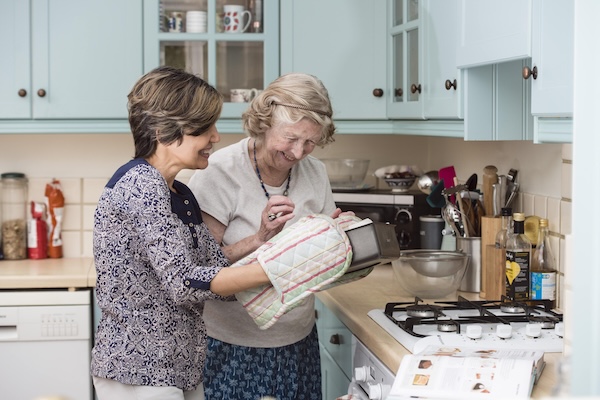
How is dementia care coordinated alongside other health conditions?
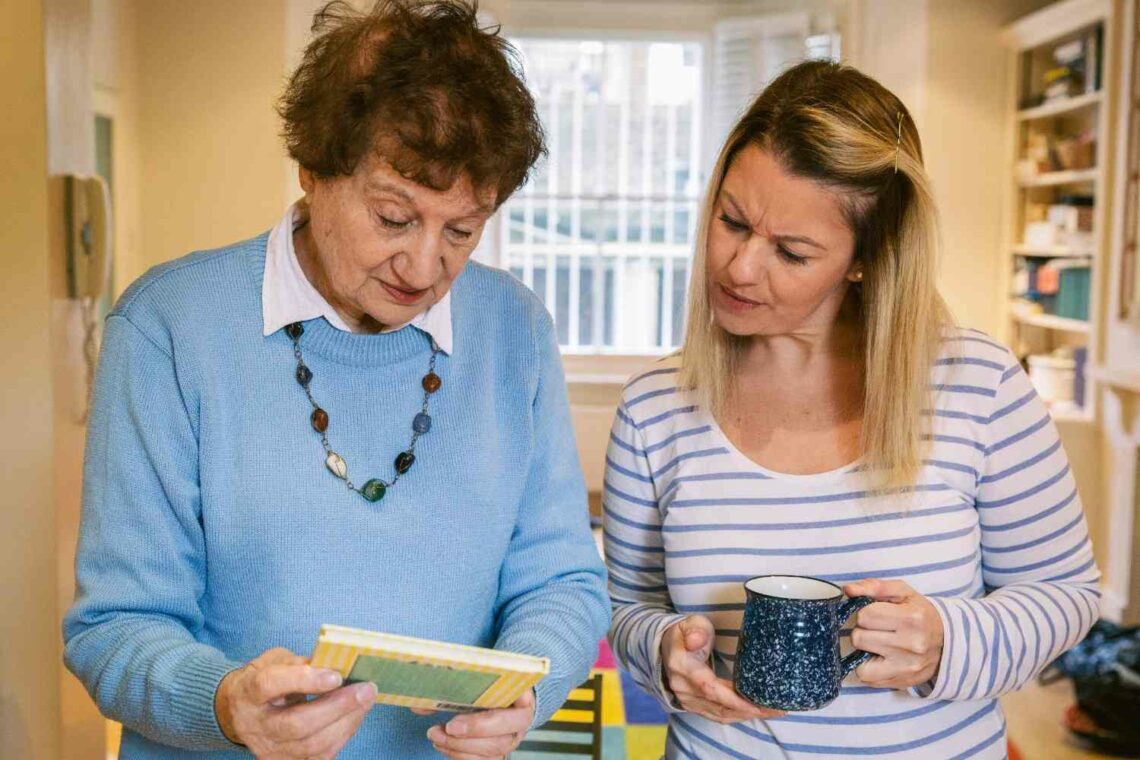
How dementia care is coordinated alongside other health conditions, with clinical oversight and personalised support at home.
February includes both World Cancer Day (4 February) and Heart Month. Together, they highlight an important reality for many families: people living with dementia often manage other health conditions at the same time.
Heart disease, cancer, diabetes, and stroke are common in later life. When these conditions sit alongside dementia, care becomes more complex. It is no longer just about memory support. It’s about safe coordination, clear communication, and clinical oversight that adapts as health needs change.
At Hometouch, our approach to dementia care reflected this reality.
Need Help Arranging Live-In Care?
Speak to our clinically-led team to find the right carer for your loved one. We'll guide you through costs, care options, and next steps.
Planning care around the whole person
Dementia rarely exists in isolation. Many people living with dementia also require ongoing monitoring, treatment, or recovery support for other conditions.
That is why every Hometouch arrangement is built around a custom care plan, designed with the full clinical picture in mind. This meant care that considered:
- Existing diagnoses, such as heart disease or cancer
- Medication schedules and potential interactions
- Fatigue, pain, or treatment side effects
- Mobility, nutrition, and daily routines
Care plans are not static documents. They are reviewed and adapted as health needs change, making sure support remains safe, appropriate, and proportionate.
This whole-person approach helps families avoid fragmented care and reduces the risk of important details being missed.
Clinical oversight and coordinated communication
When multiple health conditions are involved, clear communication is essential.
Hometouch care is guided by clinical oversight, with regular input from our nursing-led clinical team. This ensures carers are supported to follow clear guidance and escalate concerns appropriately.
Where relevant, we maintain regular contact with the healthcare professionals involved in a person’s care, including:
- GPs
- Hospital discharge teams
- Specialist nurses
- Allied health professionals
This coordination helps ensure that everyone involved understands the care plan, that medication changes are followed correctly, and that emerging concerns are addressed promptly.
For families, this provides clarity and confidence when care needs become more complex.
Supporting everyday health alongside dementia care
World Cancer Day and Heart Month also serve as reminders that everyday health continues to matter.
For someone living with dementia, small, consistent routines can support both physical health and overall well-being. Within a familiar home environment, carers support activities such as:
- Gentle, appropriate movement to maintain mobility and heart health
- Balanced meals that support energy and recovery
- Structured medication management
- Rest and pacing during or after treatment
These routines are not about targets or performance. They are about maintaining comfort, dignity, and stability, while reducing avoidable health risks.
Care that adapts as needs change
Living with dementia is a journey. When other health conditions are part of that picture, care needs to adapt with confidence and precision.
By combining personalised care planning, regular clinical oversight, and coordinated communication with healthcare professionals, Hometouch supports people living with dementia safely at home – even when needs become more complex.
If you are navigating dementia care alongside other health conditions, our clinical team can provide clear guidance and help you understand the next steps.
Talk to one of our care experts about support with coordinated care – no pressure, just clear guidance when you need it most.
Related Care Advice




Medically reviewed on Feb 10, 2026

Dr Jamie Wilson is hometouch's founder and Chief Executive Officer. Jamie's creation of hometouch was inspired by his work as a dementia psychiatrist in the NHS, and he has written about healthcare issues in The Times and the Evening Standard.