Articles related to
Conditions
How Heart Disease Affects Your Life
Heart disease is one of the most common long-term health conditions in the UK, affecting millions of people. Whether you’ve recently been diagnosed or are supporting someone with a heart condition, understanding how it affects daily life helps you make…
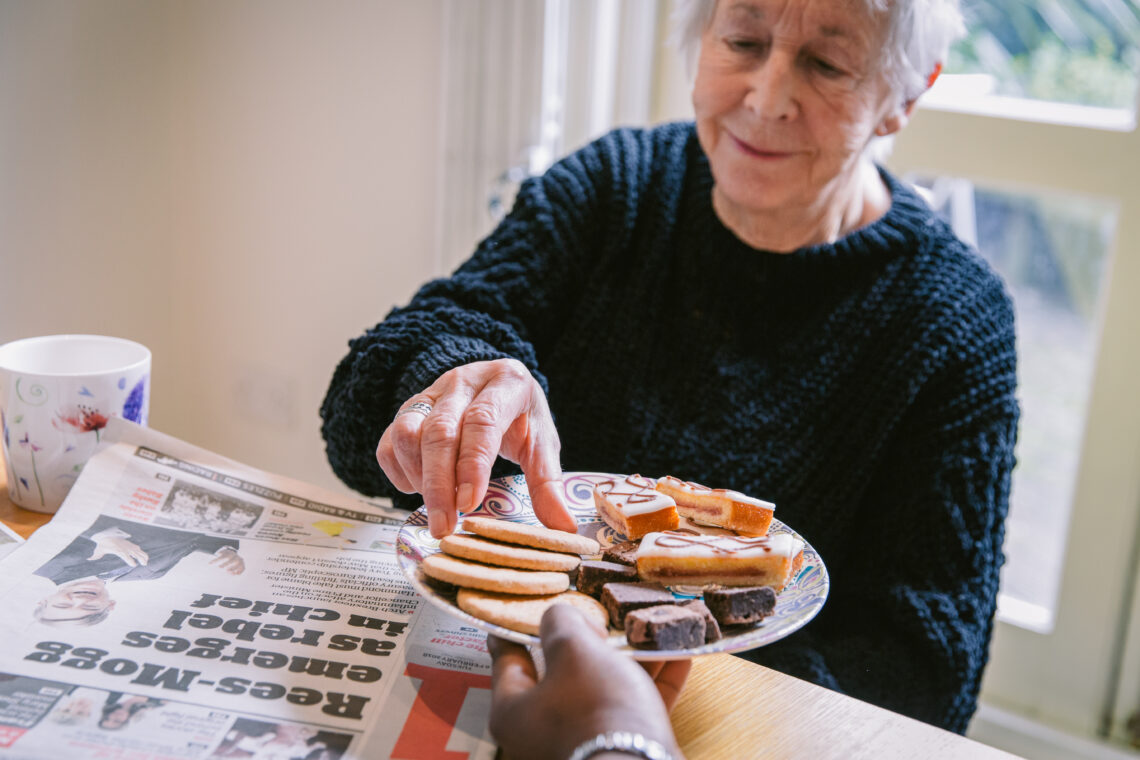
Dementia and eating problems: Why do dementia patients stop eating?
Watching someone with dementia eat less or refuse food can feel deeply distressing. You may feel worried, helpless, or unsure how to help. Eating difficulties are common as dementia progresses. Your loved one may forget how to chew or swallow,…

What is alcohol-related dementia?
Alcohol-related dementia differs from other forms of dementia in one important way: with early clinical intervention and complete abstinence, cognitive function can often be stabilised and sometimes improved. In this article, our clinical team explains what causes alcohol-related brain damage,…
Would you like to know more about Hometouch's high quality live-in care service?

Why Listening Matters in Dementia Care
This October marks Speak Up Month in the UK. The campaign promotes environments where people feel safe voicing concerns. This year’s theme, “Listen Up”, emphasises that listening requires action, not just attention. For families navigating dementia care, this is fundamental.…
 CQC-regulated care
 Founded by an NHS dementia doctor
Expert live-in care, arranged with one free call.
Speak to a knowledgeable care adviser and we’ll match your loved one with the right carer — often within 24–72 hours.
1,000+ families cared for
50,000 care hours / month
★★★★★ Excellent · Trustpilot
Prefer to talk now? 0203 870 4220
Free & no-obligation · UK-based advisers · typically reply same day
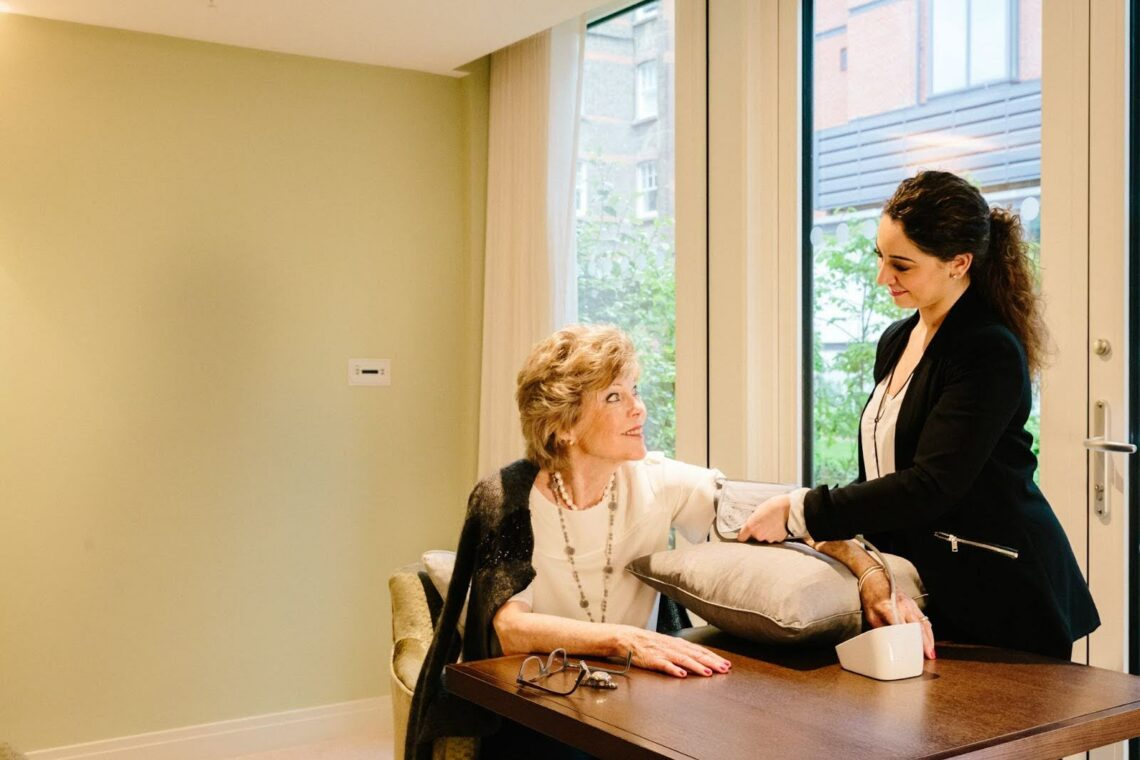
How Hometouch Builds Safety into Dementia Home Care
World Patient Safety Day took place last week and reminded us why preventing avoidable harm in healthcare matters. For families considering dementia care at home, this principle is especially important – how do you maintain clinical safety while preserving independence…
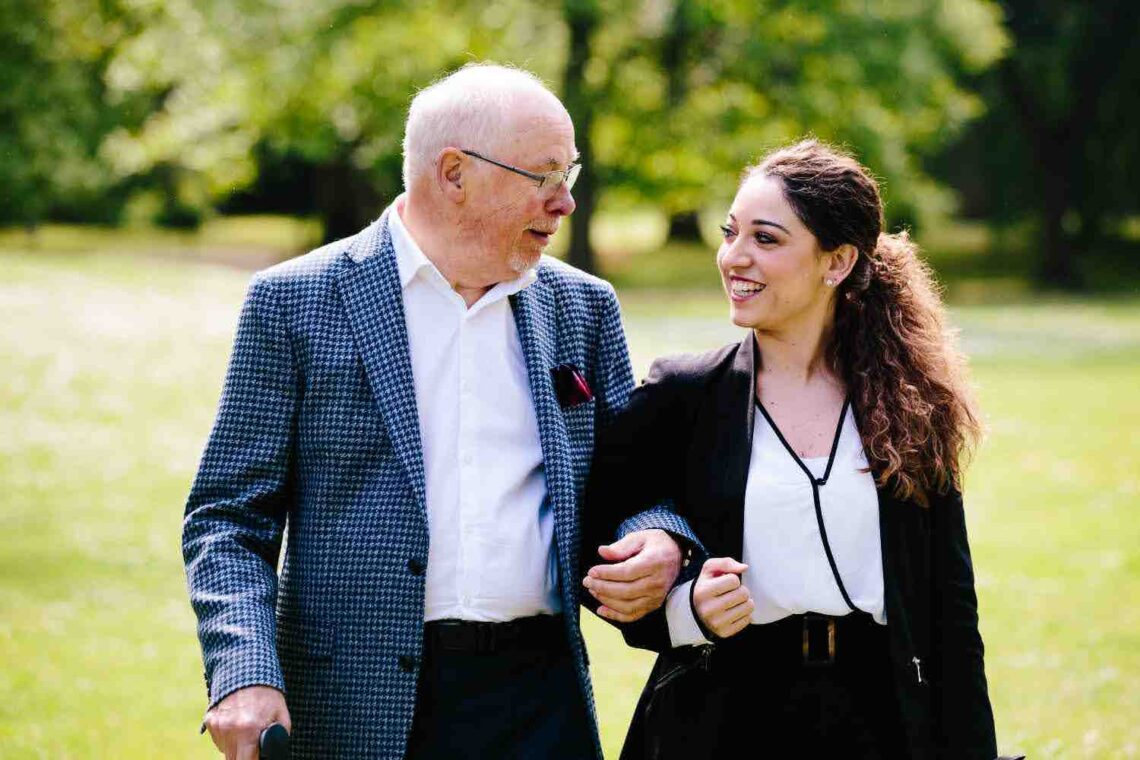
How the RESTORE2 Mini strengthens dementia care at home
When someone you love is living with dementia, you need more than just daily support. You need clinical expertise that recognises health changes before they become serious. At Hometouch, our dementia care specialists use the RESTORE2 Mini to identify early warning signs.…
How Much are Dementia Care Home Fees in 2023?
Care home fees for dementia care homes in the UK vary from around £1000 to more than £3000 per week. Care homes fees for dementia care in the UK have been increasing year on year by at least 5%. This is 0.5% higher than the average care home fee which has also increased by 5% per annum over a 3-year period so there seems to be a trend showing that care home fees are increasing at faster rate than general living costs. Another reason is due to the an ageing population and people newly diagnosed with dementia which means that there are not enough specialist care homes available at present. Additionally, staff shortages are driving up costs which is further contributing to dementia care home fees inflation. The cost of dementia care homes varies across different regions, care homes and countries. This may be due to different government policies, rates…

The best clocks for people living with dementia
Losing track of time is one of the early symptoms of dementia. Whether it’s a missed doctor’s appointment or a frantic phone call about whether they’ve had lunch, losing track of time can be a distressing experience for your loved…
Dementia cafes and their benefits
Support, understanding, and social interaction are things we can all benefit from. Dementia cafes seek to provide exactly that for people whose lives are affected by the condition. Up and down the country dementia cafes and memory groups are providing an invaluable service to local communities. At Hometouch, we know how tough a dementia diagnosis can be, both for the person living with the condition and their families. So, with dementia cafes playing such a vital role for so many people, we shine a light on the support they provide and explain why they are so beneficial. What are dementia cafes? Dementia cafes provide a safe, welcoming space for those whose lives are affected by dementia. They give people living with dementia and their families a chance to meet others in a similar situation as well as getting access to expert advice. Often ran by charities, community groups, or volunteers,…
The Negative Health Effects of Loneliness Among The Elderly
“Human beings are social creatures” – this sentence is probably one of the most common definitions describing people. As such, we often take the presence of others for granted. However, loneliness is a serious issue among people regardless of their age, gender, and ethnicity. CQC-regulated care Founded by an NHS dementia doctor Expert live-in care, arranged with one free call. Speak to a knowledgeable care adviser and we’ll match your loved one with the right carer — often within 24–72 hours. 1,000+ families cared for 50,000 care hours / month ★★★★★ Excellent · Trustpilot Talk to a care advisor → Find a carer Prefer to talk now? 0203 870 4220 Free & no-obligation · UK-based advisers · typically reply same day The COVID-19 pandemic forced societies worldwide into long periods of social isolation and social distancing, which prompted a discussion about the fact of feeling lonely and its possible consequences.…
Apply for live-in care jobs
Working with Hometouch gives me the opportunity to really make a difference in someone’s day and improve their quality of life. I really value the team's support and communication, and I feel carers are genuinely valued and appreciated. I’m proud to be part of Hometouch.
Darlene

£840 - £950 per week. Double bank holiday pay
You choose your own clients
Clinical support
Free training, webinars and supervision