Articles
Here you can read inspiring interviews and interesting articles, access useful tools, and download our latest guides.
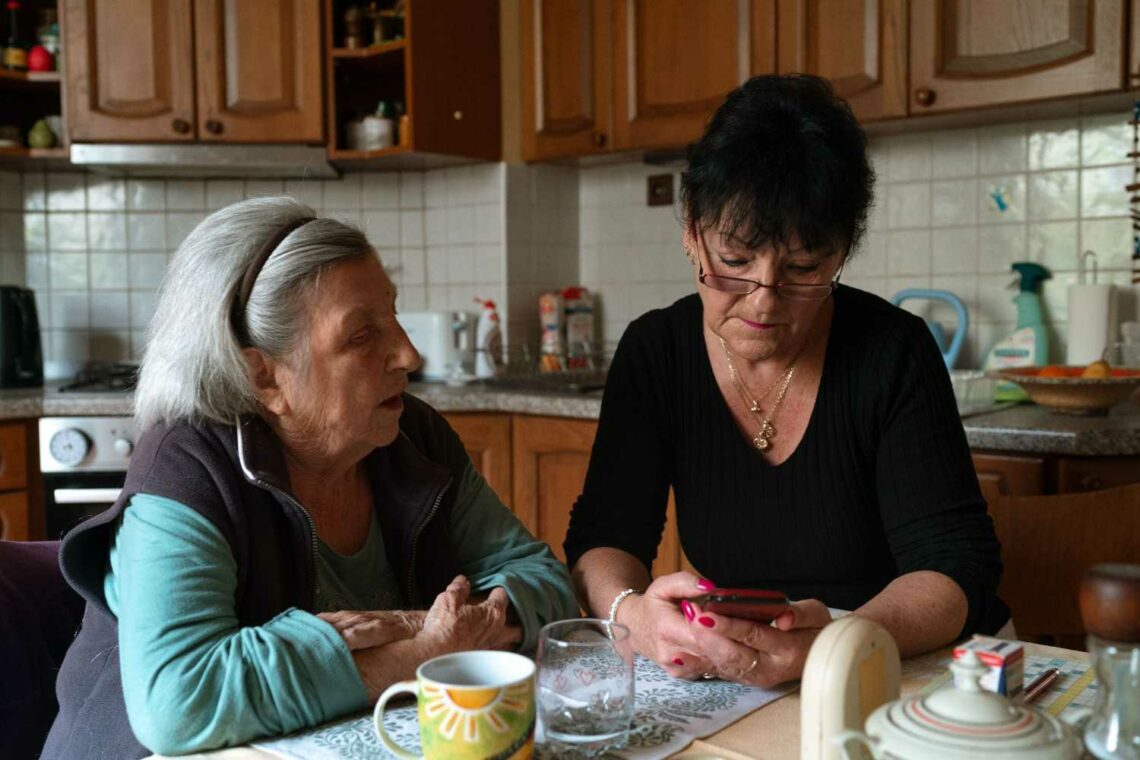
What does an overnight carer need at home?
An overnight carer needs a comfortable chair if they stay awake, or a private, warm room near your relative if they sleep. If you’re arranging that support for a parent or partner, you may be tired, worried about falls in…

Our editorial policy
Families often come to this site at a hard moment: understanding a diagnosis, working out costs, or deciding what happens after a hospital discharge. What we publish needs to be accurate and current, because the decisions people make from it…

What is aggressive behaviour in dementia?
Aggressive behaviour in dementia is a neurological symptom, not a personal response. As dementia damages the areas of the brain that regulate emotion and communication, verbal or physical outbursts can become the only way someone is able to express distress…

Dementia Care: What is sundowning?
Sundowning is a pattern of increased confusion, agitation, and restlessness that occurs in the late afternoon or evening in people living with dementia. It is one of the most common and challenging behavioural symptoms families encounter, and while it cannot…
 CQC-regulated care
Expert live-in care, arranged with one free call.
Speak to a knowledgeable care adviser and we’ll match your loved one with the right carer — often within 24–72 hours.
Prefer to talk now? 0203 870 4220
Free & no-obligation · UK-based advisers · typically reply same day
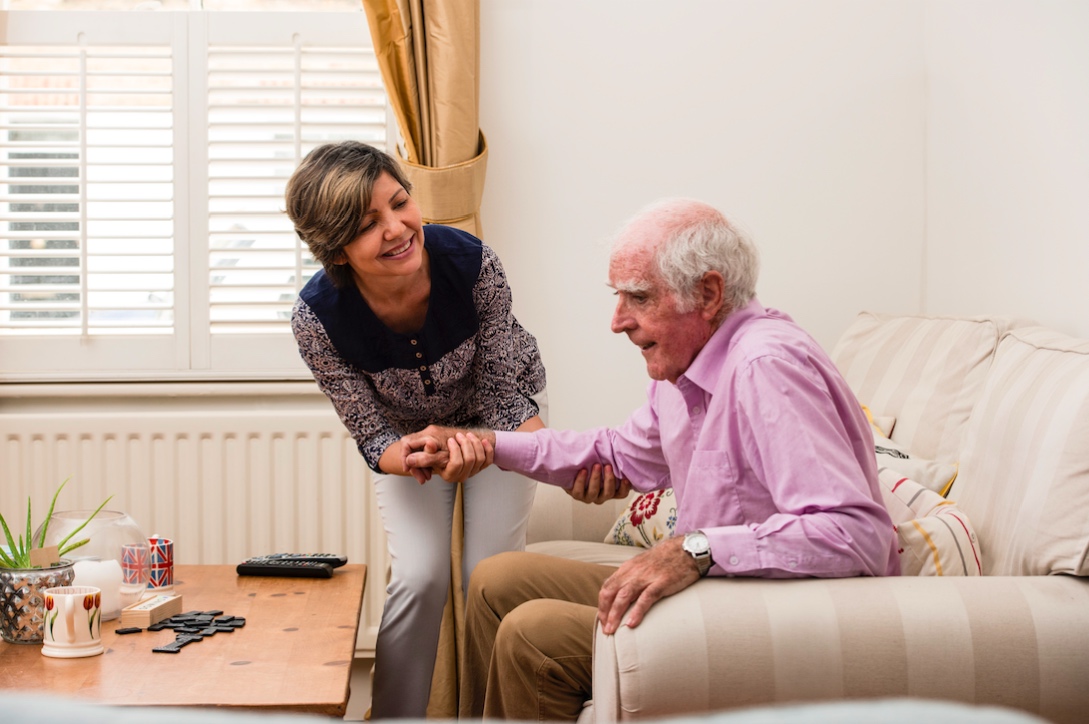
The effects of Alzheimer’s on the body
The effects of Alzheimer’s on the body include changes to movement, balance, digestion, continence, and swallowing, not just memory. These physical changes can appear at any stage of the condition, sometimes before memory loss becomes obvious, and tend to become…

How much is overnight care for the elderly?
Overnight care for the elderly typically costs between £100 and £260 a night, depending on whether a carer sleeps or stays awake through the shift. It covers professional support during nighttime hours, typically between 8 pm and 8 am, including…

Which countries are the best at caring for the elderly?
The Netherlands, Sweden, and Norway are consistently ranked as the best countries for elderly care in 2026, thanks to heavy investment in home-based and community care and strongly integrated health and social care systems. Good elderly care extends beyond healthcare…

How does a person die from dementia?
A person with dementia doesn’t die from memory loss itself, but from the complications that the disease causes as it advances. Most commonly, pneumonia, infection, or organ failure. Dementia gradually damages the brain’s control over the body’s vital functions, so…
Rapidly progressive dementia: What families need to know
Rapidly progressive dementia (RPD) is a rare form of dementia that advances within weeks or months rather than years, causing a fast decline in memory, behaviour, and physical ability. Most forms of dementia develop over years. RPD moves faster, and…

Medications that worsen dementia: A clinical guide
If someone in your family is living with dementia, their medication list deserves as much attention as their care routine. Some commonly prescribed drugs (and several available over the counter) can worsen cognitive symptoms, accelerate decline, or raise the long-term…